
Cordoba, Spain

Spain > Cordoba

Cordoba

Urban   Riverfront  

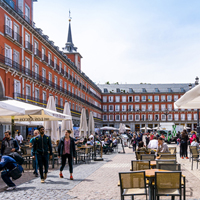
Córdoba sits inland in Andalusia with a population around 330,000, making it Spain's fifth-largest city by some measures yet feeling far less crowded than Madrid or Barcelona. The Mezquita—a mosque-cathedral hybrid begun in the 8th century—dominates the skyline and UNESCO World Heritage status, but what strikes visitors first is how the city wraps around the Guadalquivir River with whitewashed neighborhoods climbing steep hillsides. The Jewish Quarter (Judería) and the old medina retain their medieval street patterns, narrow enough that sunlight barely reaches the ground at midday. Beyond the tourist core, Córdoba is a working city: university students fill the bars, families shop at the central market, and locals treat the riverside promenade as their evening gathering place. The city's golden age came under the Umayyad Caliphate when it rivaled Baghdad as a center of learning; that intellectual legacy still shapes how the place feels—less about spectacle, more about depth. Spring and autumn bring perfect weather; summer heat is serious but manageable near the river.
Luxton LegalLuxton Legal
Connect

Luxton Legal is a boutique law firm assisting expats and foreign buyers with property conveyancing and immigration matters across Spain. We guide clients through every step of the purchase process and offer expert support with visas, residency applications, and relocation planning. Our experienced, English-speaking team ensures legal clarity and peace of mind throughout your move.

Click connect to have our partner contact you via e-mail and/or phone.

Luxton LegalLuxton Legal

Luxton Legal is a boutique law firm assisting expats and foreign buyers with property conveyancing and immigration matters across Spain. We guide clients through every step of the purchase process and offer expert support with visas, residency applications, and relocation planning. Our experienced, English-speaking team ensures legal clarity and peace of mind throughout your move.
Connect

Click connect to have our partner contact you via e-mail and/or phone.

Visa & Residency

Obtaining a residency in Spain can be a straightforward process, but it requires careful preparation and attention to detail. The most common types of residency visas that expats apply for are the Non-Lucrative Visa and the Golden Visa. The Non-Lucrative Visa is ideal for individuals who can support themselves without working, such as retirees or remote workers. To apply for this visa, applicants must prove they have sufficient financial means to live in Spain without income from employment, provide proof of private health insurance, and have a clean criminal record. The visa is initially granted for one year and can be renewed for two-year periods, provided the requirements are still met. After five years of legal residency, applicants can apply for long-term residency or even Spanish citizenship. The Golden Visa, on the other hand, is aimed at investors. It requires a significant investment in Spain, such as purchasing real estate worth at least €500,000, investing €1 million in Spanish companies, or depositing €1 million in a Spanish bank. The Golden Visa offers a fast track to residency and is particularly popular among non-EU nationals. It grants residency for two years, which is renewable for five-year periods, and eventually leads to permanent residency and citizenship if desired. The application process for both visas involves submitting the necessary documentation to the Spanish consulate or embassy in the applicant's home country. After the initial approval, the applicant will receive a visa that allows them to enter Spain. Upon arrival, they must apply for a Foreigner Identity Card (TIE) at the local office or police station. The process can be complex and time-consuming, often requiring translations and apostilles for official documents. It is recommended to seek legal advice or assistance from immigration professionals to navigate the process successfully. Overall, while the process is manageable, it does require thorough preparation and understanding of the Spanish immigration system.

Cost of Living

Living in Córdoba costs considerably less than Spain's major coastal cities or Madrid, though prices have risen as the city attracts more remote workers and retirees. Rental apartments in the historic center run higher than in outer neighborhoods; groceries and dining out remain affordable by Western European standards. Utilities and local services are inexpensive, making it feasible for people on modest incomes to live comfortably.

Weather

Córdoba experiences a Mediterranean climate with hot, dry summers (often exceeding 35°C/95°F) and mild winters. Spring and autumn offer the most pleasant conditions with moderate temperatures and lower rainfall.

Healthcare in Cordoba

Hospital Universitario Reina Sofía is the major public facility, well-equipped for serious cases and emergencies, though like many Spanish public hospitals it can face capacity strain during peak periods. Private clinics exist but are limited compared to larger Spanish cities; most residents rely on the public system.

Schools in Cordoba

Cordoba has several international options including the Colegio Británico de Córdoba (British curriculum) and schools offering IB programs. These institutions serve expat families and Spanish families seeking English-language education, though options are more limited than in Madrid or Barcelona.

Bilingual Spanish-English schools operate throughout Cordoba, with programs integrated into both public and private institutions. Most emphasize English from primary levels onward, though the depth and quality vary by school.

Restaurants in Cordoba

Copyright 1997-2026 Burlingame Interactive, Inc.

Privacy Policy Legal