
Pamplona

Spain > Pamplona

Pamplona

Urban   Riverfront  

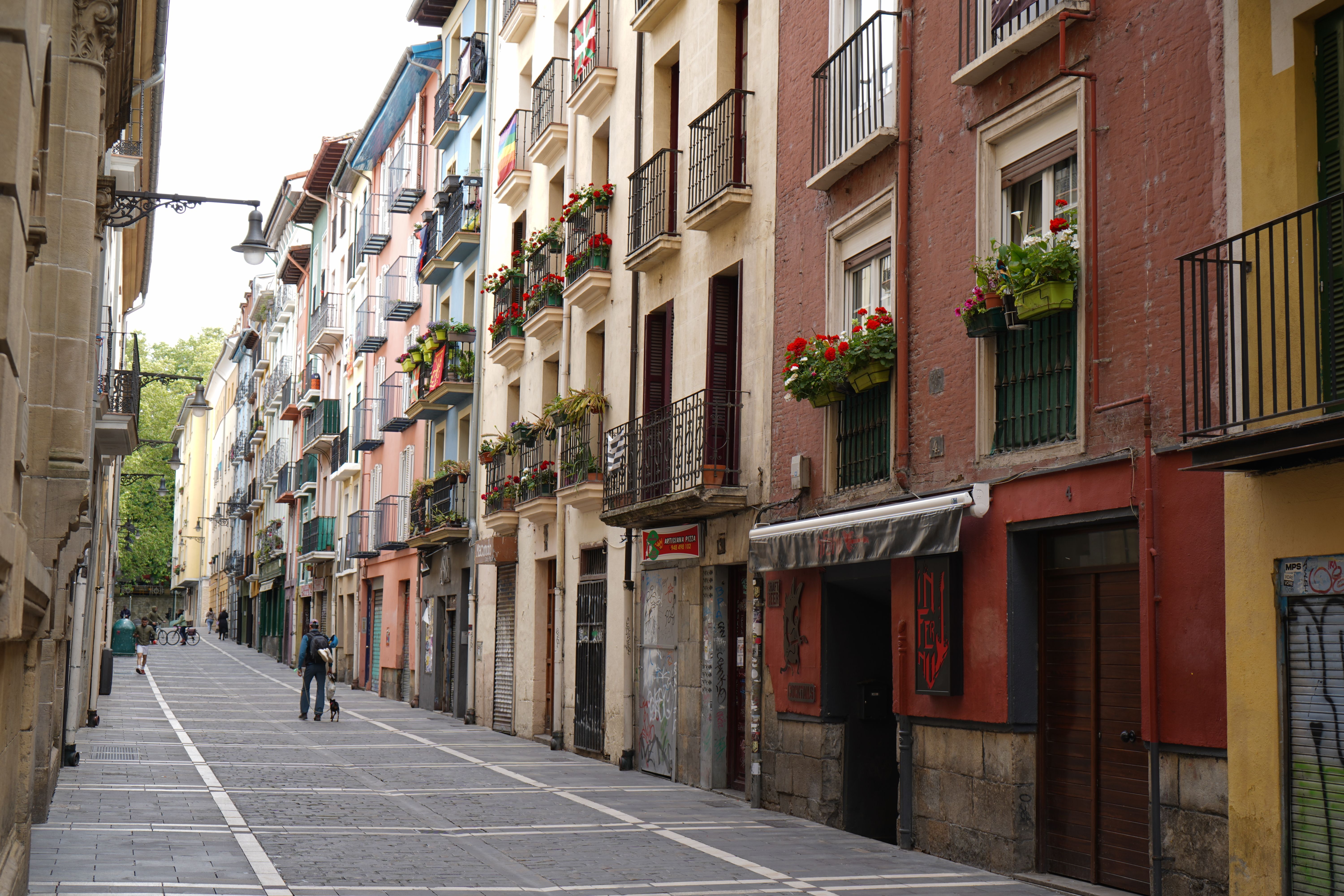
Pamplona is the capital city of Navarre in northern Spain, located in the Basque Country region. The city is renowned worldwide for its San Fermín festival, held annually in July, which features the famous running of the bulls through the city streets. Beyond this iconic event, Pamplona is a vibrant medieval city with a rich historical heritage dating back centuries. The old town is characterized by narrow winding streets, historic plazas, and impressive architecture including the stunning Cathedral of Santa María la Real. The city walls, partially preserved from medieval times, encircle the historic center and offer scenic walking paths. Pamplona serves as an important cultural and economic hub for the Navarre region, with a modern infrastructure that complements its historical character. The city features museums, galleries, theaters, and cultural institutions that showcase Basque and Spanish heritage. Pamplona's location in the Pyrenees foothills provides access to beautiful natural landscapes and outdoor activities. The city has a welcoming atmosphere with numerous restaurants, cafes, and shops reflecting both traditional and contemporary Spanish culture. Its strategic position makes it an important stop on the Way of St. James pilgrimage route, attracting visitors from around the world.

BlueCross BlueShield Global SolutionsBlueCross BlueShield Global Solutions
Get Quote

BlueCross BlueShield Global Solutions (BCBS) offers global health plans for international assignments or trips lasting 6 months or longer. With access to over 1.7M medical providers in 190 countries around the world, BCBS provides members with solutions and industry-leading digital services - ensuring top-quality coverage to people who live, work, study and travel internationally.

BlueCross BlueShield Global SolutionsBlueCross BlueShield Global Solutions

BlueCross BlueShield Global Solutions (BCBS) offers global health plans for international assignments or trips lasting 6 months or longer. With access to over 1.7M medical providers in 190 countries around the world, BCBS provides members with solutions and industry-leading digital services - ensuring top-quality coverage to people who live, work, study and travel internationally.
Get Quote

Visa & Residency

Obtaining a residency in Spain can be a straightforward process, but it requires careful preparation and attention to detail. The most common types of residency visas that expats apply for are the Non-Lucrative Visa and the Golden Visa. The Non-Lucrative Visa is ideal for individuals who can support themselves without working, such as retirees or remote workers. To apply for this visa, applicants must prove they have sufficient financial means to live in Spain without income from employment, provide proof of private health insurance, and have a clean criminal record. The visa is initially granted for one year and can be renewed for two-year periods, provided the requirements are still met. After five years of legal residency, applicants can apply for long-term residency or even Spanish citizenship. The Golden Visa, on the other hand, is aimed at investors. It requires a significant investment in Spain, such as purchasing real estate worth at least €500,000, investing €1 million in Spanish companies, or depositing €1 million in a Spanish bank. The Golden Visa offers a fast track to residency and is particularly popular among non-EU nationals. It grants residency for two years, which is renewable for five-year periods, and eventually leads to permanent residency and citizenship if desired. The application process for both visas involves submitting the necessary documentation to the Spanish consulate or embassy in the applicant's home country. After the initial approval, the applicant will receive a visa that allows them to enter Spain. Upon arrival, they must apply for a Foreigner Identity Card (TIE) at the local office or police station. The process can be complex and time-consuming, often requiring translations and apostilles for official documents. It is recommended to seek legal advice or assistance from immigration professionals to navigate the process successfully. Overall, while the process is manageable, it does require thorough preparation and understanding of the Spanish immigration system.

Cost of Living

The cost of living in Pamplona is moderate compared to major Spanish cities. Accommodation, dining, and general expenses are reasonable, making it an affordable destination for residents and visitors while maintaining good quality of life and services.

Weather

Pamplona has an oceanic climate with mild summers and cool, wet winters, with average temperatures ranging from around 3°C in winter to 22°C in summer.

Healthcare in Pamplona

Pamplona has solid healthcare facilities, including major public and private hospitals that serve the city and surrounding region. The city is known for having reliable medical services and access to specialist care, with the main hospital network centered around the University Hospital of Navarra and public regional facilities.

Schools in Pamplona

Pamplona has a small but real international-school presence, including schools that offer international curricula or internationally oriented programs. One well-known option is the British School of Navarra, which serves families seeking an English-language/British-style education.

Pamplona has several bilingual schools, especially Spanish-English programs, reflecting the city’s strong education sector. These schools are common in both private and concerted settings and are a popular choice for expat and local families seeking bilingual instruction.

Restaurants in Pamplona

Copyright 1997-2026 Burlingame Interactive, Inc.

Privacy Policy Legal