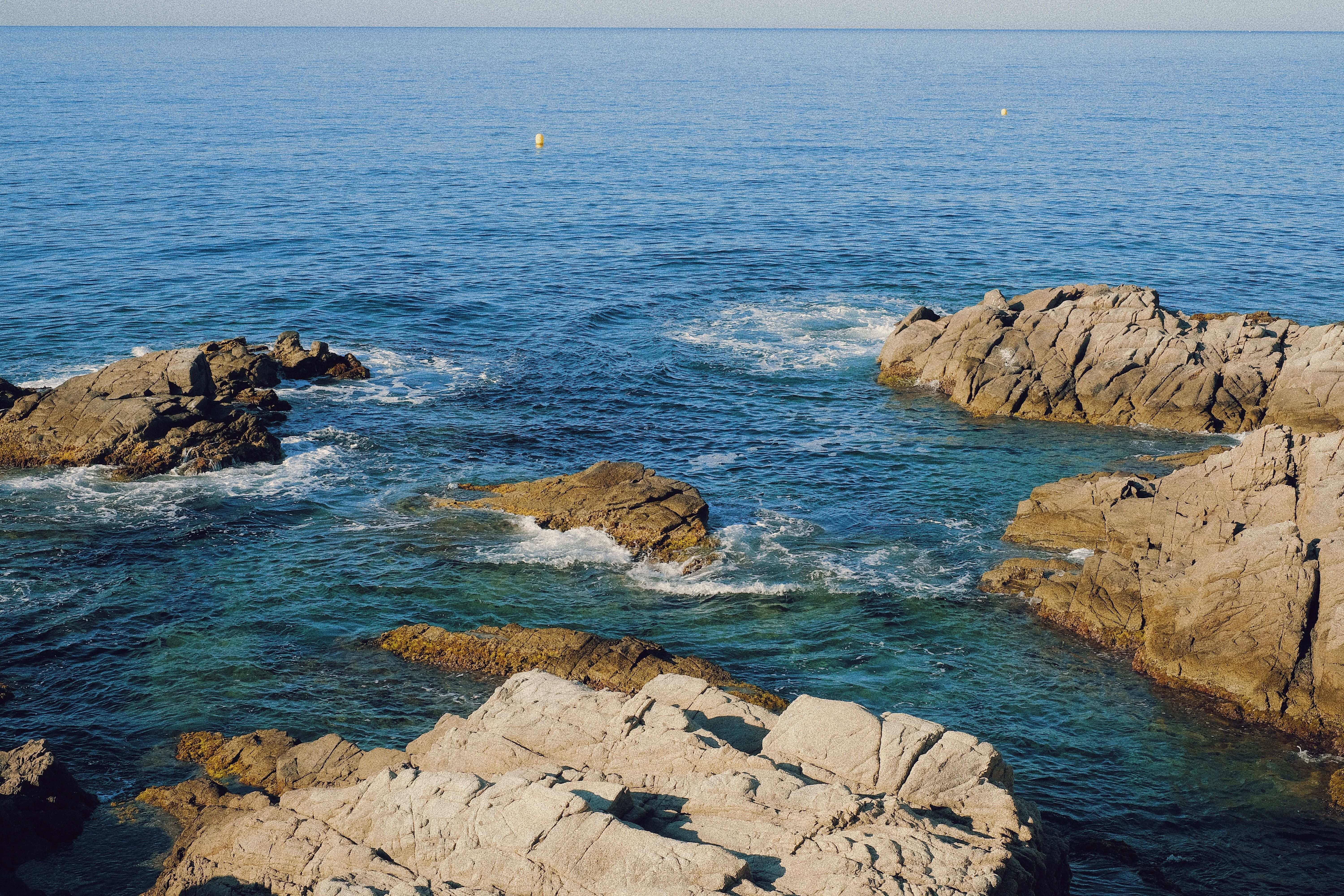

Lloret de Mar
Beach Coastal BeachesLloret de Mar is a vibrant coastal town located on the Costa Brava in Catalonia, northeastern Spain. It has evolved from a small fishing village into one of Spain's most popular beach destinations, attracting millions of visitors annually. The town is known for its beautiful Mediterranean beaches with golden sand, crystal-clear waters, and a lively beachfront promenade lined with restaurants, bars, and shops. Lloret de Mar offers a mix of modern tourism infrastructure and historical charm, with landmarks including the Church of Sant Roma and various modernist buildings reflecting early 20th-century architecture. The town center features narrow winding streets typical of Catalan coastal settlements, with local shops and traditional establishments alongside contemporary venues. The surrounding area is characterized by pine-covered hills and rocky coves, creating a picturesque Mediterranean landscape. Lloret de Mar serves as a major hub for water sports and beach activities, including diving, windsurfing, and boat excursions. The town has a well-developed hospitality sector with numerous hotels, apartments, and entertainment venues catering to international tourists. Despite its tourism-focused character, Lloret de Mar maintains a local community and cultural identity, with traditional festivals and events throughout the year. The proximity to other Costa Brava attractions and Barcelona makes it an accessible destination for both beach holidays and cultural exploration.

Luxton LegalConnect
Luxton Legal is a boutique law firm assisting expats and foreign buyers with property conveyancing and immigration matters across Spain. We guide clients through every step of the purchase process and offer expert support with visas, residency applications, and relocation planning. Our experienced, English-speaking team ensures legal clarity and peace of mind throughout your move.
Click connect to have our partner contact you via e-mail and/or phone.
Luxton LegalLuxton Legal is a boutique law firm assisting expats and foreign buyers with property conveyancing and immigration matters across Spain. We guide clients through every step of the purchase process and offer expert support with visas, residency applications, and relocation planning. Our experienced, English-speaking team ensures legal clarity and peace of mind throughout your move.
Connect
Click connect to have our partner contact you via e-mail and/or phone.
Visa & Residency
Obtaining a residency in Spain can be a straightforward process, but it requires careful preparation and attention to detail. The most common types of residency visas that expats apply for are the Non-Lucrative Visa and the Golden Visa. The Non-Lucrative Visa is ideal for individuals who can support themselves without working, such as retirees or remote workers. To apply for this visa, applicants must prove they have sufficient financial means to live in Spain without income from employment, provide proof of private health insurance, and have a clean criminal record. The visa is initially granted for one year and can be renewed for two-year periods, provided the requirements are still met. After five years of legal residency, applicants can apply for long-term residency or even Spanish citizenship. The Golden Visa, on the other hand, is aimed at investors. It requires a significant investment in Spain, such as purchasing real estate worth at least €500,000, investing €1 million in Spanish companies, or depositing €1 million in a Spanish bank. The Golden Visa offers a fast track to residency and is particularly popular among non-EU nationals. It grants residency for two years, which is renewable for five-year periods, and eventually leads to permanent residency and citizenship if desired. The application process for both visas involves submitting the necessary documentation to the Spanish consulate or embassy in the applicant's home country. After the initial approval, the applicant will receive a visa that allows them to enter Spain. Upon arrival, they must apply for a Foreigner Identity Card (TIE) at the local office or police station. The process can be complex and time-consuming, often requiring translations and apostilles for official documents. It is recommended to seek legal advice or assistance from immigration professionals to navigate the process successfully. Overall, while the process is manageable, it does require thorough preparation and understanding of the Spanish immigration system.
Cost of Living
The cost of living in Lloret de Mar is moderate, though prices vary depending on proximity to the beach and tourist areas. Accommodation and dining in central tourist zones tend to be higher, while residential areas away from the seafront offer more affordable options. Local goods and services are reasonably priced compared to other major European beach destinations.
Weather
Lloret de Mar enjoys a Mediterranean climate with warm, dry summers and mild winters, with average temperatures ranging from around 8°C in winter to 27°C in summer.
Healthcare in Lloret de Mar
Lloret de Mar has local medical centers and clinics for routine care and urgent attention, but more advanced hospital services are typically found in nearby larger cities such as Girona. Residents and visitors usually rely on regional healthcare facilities for specialized treatment and major emergencies.
Schools in Lloret de Mar
Lloret de Mar has several international schools including Escola Montessori de Lloret and other private institutions offering IB and international curricula. These schools serve the expatriate and international community in the Costa Brava region.
Multiple bilingual schools operate in Lloret de Mar, offering education in Spanish, Catalan, and English. These schools are common throughout the region to serve both local and international families.