Sri Lanka
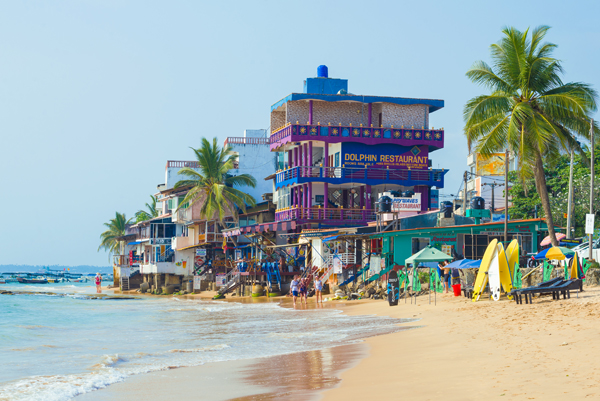
Coastal BeachesSri Lanka is an island nation in South Asia located in the Indian Ocean, southeast of India. Known as the 'Pearl of the Indian Ocean,' it features diverse landscapes including tropical beaches, central highlands, and lush tea plantations. The country has a rich cultural heritage with ancient Buddhist temples, colonial architecture, and vibrant Hindu and Muslim traditions. The economy is based on tourism, tea and spice exports, fishing, and agriculture. Life in Sri Lanka offers a blend of modern urban centers like Colombo with traditional village communities, warm hospitality, and relatively affordable living costs. The island experiences a tropical climate with distinct wet and dry seasons depending on the region.
 SJB Global
Connect
SJB-Global is a top-rated financial advisory firm specializing in expat financial advice worldwide, offering retirement planning & tax-efficient solutions with a regressive fee model. Our clients benefit from their country’s most favorable tax environment by utilizing the efficient investment vehicles we offer. Our commitment to quality service is reflected in our stellar reviews, with over 300 testimonials boasting 95% five-star ratings.
Click connect to have our partner contact you via e-mail and/or phone.
SJB GlobalSJB-Global is a top-rated financial advisory firm specializing in expat financial advice worldwide, offering retirement planning & tax-efficient solutions with a regressive fee model. Our clients benefit from their country’s most favorable tax environment by utilizing the efficient investment vehicles we offer. Our commitment to quality service is reflected in our stellar reviews, with over 300 testimonials boasting 95% five-star ratings.
Connect
Click connect to have our partner contact you via e-mail and/or phone.
Podcasts

Episode 8: Jake Barber - The Expat Finance Expert Returns


Episode 6: Jake Barber - Expat Finance Expert and Lifelong Expat
Living in Sri Lanka
Best Places to Live in Sri Lanka
Visa & Residency
Obtaining a residency in Sri Lanka involves several steps and can be considered an average challenge compared to other countries. The process begins with choosing the correct type of Residence Visa, as Sri Lanka offers various categories depending on the purpose of stay. These categories include Employment, Investor, Religious, Student, and Family visas. Expats must first secure an entry visa before applying for a Residence Visa. To apply for a Residence Visa, expats must submit a completed application form along with the necessary supporting documents, which typically include a valid passport, proof of financial means, health records, and a letter of recommendation or sponsorship from a local entity in Sri Lanka, depending on the visa category. For an Employment Visa, a contract or letter from the employer in Sri Lanka is required. Investors need to provide proof of investment. Students must have an admission letter from a recognized educational institution, and those applying for a Family Visa need evidence of their relationship to a Sri Lankan resident. The Department of and Emigration in Sri Lanka is responsible for processing visa applications. The processing time can vary, but it generally takes a few weeks to several months. Applicants may be required to attend an interview or provide additional documentation if requested by the immigration authorities. Once granted, a Residence Visa is typically valid for one year and can be renewed annually. The renewal process requires expats to demonstrate continued eligibility, such as ongoing employment or investment in the country. For digital nomads, the Tourist Visa is a common choice as it allows them to live in Sri Lanka for up to six months. This visa is easier to obtain and requires fewer documents, such as a return air ticket, proof of sufficient funds, and a confirmed booking of accommodation. However, it does not permit employment in Sri Lanka and is strictly for tourism and leisure activities. Overall, while the process of obtaining a residency visa in Sri Lanka is quite structured and involves various bureaucratic steps, it is manageable with proper preparation and understanding of the requirements. Expats are advised to begin the application process well in advance of their intended move to ensure all paperwork is in order.
Healthcare in Sri Lanka
The system in Sri Lanka is a mix of public and private sectors. The public healthcare system is universal and provides services to citizens free of charge at the point of delivery, funded by the government through taxation. It includes a network of primary healthcare units, hospitals, and specialized clinics. However, the quality of public healthcare can vary, with urban areas typically having better facilities and more skilled healthcare professionals than rural areas. The private healthcare sector has grown significantly and is known for higher quality services, shorter waiting times, and more modern facilities, but it is more expensive and less accessible to the lower-income population. Expatriates and digital nomads can access public healthcare, but many opt for private healthcare due to the higher standard of care and the language barrier in public facilities. It is advisable for expats and digital nomads to have health insurance that covers private healthcare.
Cost of Living
Sri Lanka offers relatively affordable living costs compared to Western countries and many Asian neighbors. Rental prices vary significantly by location: in Colombo, a one-bedroom apartment in the city center costs approximately $400-800 USD monthly, while outside the center it drops to $250-500. Property purchase prices range from $2,000-5,000 USD per square meter in urban areas to much less in rural regions. Daily expenses including food, transportation, and utilities are low, with a comfortable lifestyle possible on $1,000-1,500 USD monthly outside major cities.
Weather
Sri Lanka has a tropical monsoon climate with two main monsoon seasons: the Southwest Monsoon (May-September) and the Northeast Monsoon (December-February). The western and southwestern coasts receive heavy rainfall during the Southwest Monsoon, while the eastern and northern regions are wetter during the Northeast Monsoon. Temperatures remain warm year-round, typically ranging from 25-32°C (77-90°F), with higher elevations in the central highlands being cooler. The best time to visit or relocate depends on your preferred region, as different areas have different dry seasons.
Educational System in Sri Lanka
The educational system in Sri Lanka is well-regarded and offers free education as a fundamental right. Education in Sri Lanka is administered by three types of schools: government schools, private schools, and international schools. The government schools provide free education, and the curriculum is standardized by the Ministry of Education. The education system is divided into five key stages: primary (grades 1-5), junior secondary (grades 6-9), senior secondary (grades 10-11), collegiate (grades 12-13), and tertiary or higher education. Children typically start school at the age of five and are required to attend school until they complete the Ordinary Level (O-Level) examinations at around the age of 16. After O-Levels, students can choose to continue their studies for another two years to sit for the Advanced Level (A-Level) examinations, which determine their eligibility for university. The A-Level is a highly competitive exam and serves as the primary criterion for university entrance. The quality of education in Sri Lanka is considered high, with a literacy rate of over 90%. The country has a mix of Sinhala, Tamil, and English medium schools, with English being a compulsory subject in all schools. follow different curricula, such as the International Baccalaureate or the British system, and offer education primarily in English.
Universities in Sri Lanka
The university system in Sri Lanka consists of state universities, private institutes, and foreign university branch campuses. The University Grants Commission (UGC) oversees the state universities and is responsible for admissions based on the A-Level examination results. There are 15 state universities in Sri Lanka, offering a wide range of undergraduate and postgraduate programs. The duration of a typical undergraduate degree is three to four years, depending on the field of study. Medicine and engineering programs usually take five to six years to complete. Most state universities provide education free of charge, but admission is highly competitive. Private institutes offer degree programs in partnership with foreign universities, and these are fee-levying. The quality of education at these institutions can vary, so it is important for prospective students to research and choose recognized and accredited programs. Foreign students considering attending university in Sri Lanka should be aware that while the cost of education at state universities is low, living expenses and fees at private institutions can add up. Additionally, foreign students may need to pay tuition fees even at state universities. The academic year typically starts in September or October, and the language of instruction is usually English, especially for science and technology programs.
Living in Sri Lanka
Moving to Sri Lanka