Switzerland
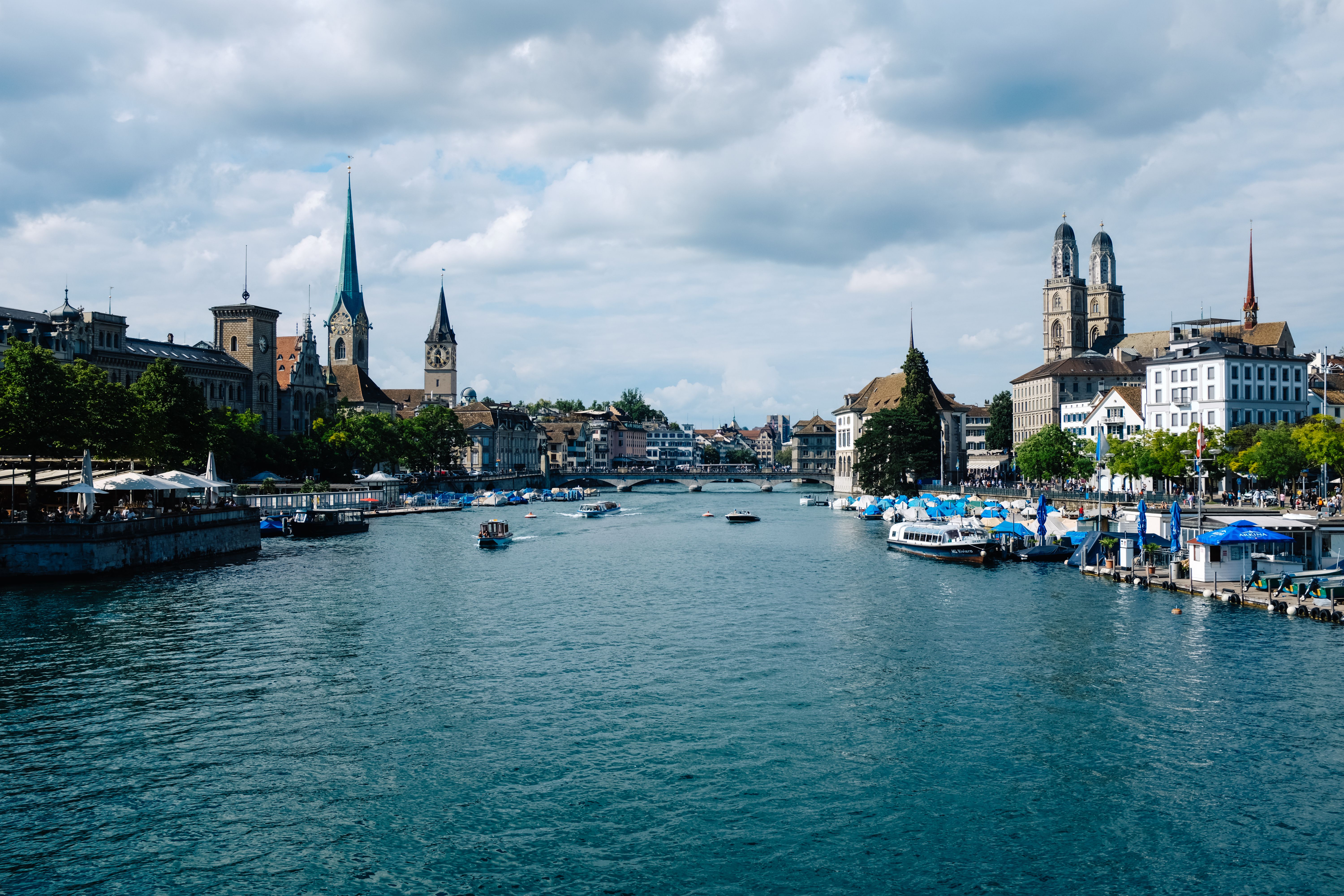
Switzerland is a landlocked country in central Europe, nestled in the Alps with a diverse landscape of mountains, lakes, and valleys. Known for its political neutrality, direct democracy, and exceptional quality of life, Switzerland is a global hub for banking, pharmaceuticals, and precision manufacturing. The country is multilingual, with German, French, Italian, and Romansh spoken across different regions, reflecting its rich cultural diversity. Swiss society is characterized by punctuality, efficiency, and a strong emphasis on environmental sustainability and outdoor recreation. The economy is highly developed and stable, with one of the world's highest standards of living. Switzerland consistently ranks among the world's happiest and most livable countries.
 PassportCard Expat Health Insurance
Get Quote
Never worry about paying your medical bills out of pocket again. The innovative PassportCard allows for a stress-free experience for all expat families, remote travelers, and workers. With a 24/7 customer service and an outstanding customer base of over 2 Million clients, it will feel like medical care at home. Get up to 10% off on your policy now.
PassportCard Expat Health InsuranceNever worry about paying your medical bills out of pocket again. The innovative PassportCard allows for a stress-free experience for all expat families, remote travelers, and workers. With a 24/7 customer service and an outstanding customer base of over 2 Million clients, it will feel like medical care at home. Get up to 10% off on your policy now.
Get Quote
Podcasts

Episode 6: Jake Barber - Expat Finance Expert and Lifelong Expat


Episode 8: Jake Barber - The Expat Finance Expert Returns
Living in Switzerland
Best Places to Live in Switzerland
Visa & Residency
Obtaining a residency in Switzerland involves a structured process that can vary depending on the applicant's nationality, reasons for immigration, and the canton in which they intend to reside. The most common types of residency permits are the L Permit (short-term residence permit) and the B Permit (initial or temporary residence permit). The L Permit is suitable for expatriates planning to stay in Switzerland for up to one year. It is often granted to those with a fixed-term employment contract. The B Permit is for those intending to stay longer than a year and is usually tied to an indefinite employment contract or family reunification. Both permits require a valid employment contract or proof of financial means to support oneself. The process typically starts with securing a job or demonstrating the financial means to live in Switzerland. The employer or the individual must then apply to the cantonal migration office for the appropriate permit. This involves submitting various documents, including a valid passport, proof of address, employment contract, and sometimes a health insurance policy and a clean criminal record. For non-EU/EFTA nationals, the process can be more challenging due to stricter regulations and quotas. They must often secure a job with a Swiss employer who can prove that the position could not be filled by a local or EU/EFTA citizen. Once the application is submitted, the cantonal authorities review it, which can take several weeks or months. If approved, the applicant will receive a residence permit, allowing them to live and work in Switzerland. The permit also dictates the holder's rights regarding travel, change of employment, and family reunification. The difficulty of the process can vary. EU/EFTA citizens generally find it easier due to bilateral agreements that facilitate the movement of people, while non-EU/EFTA citizens may face a more complex process. It is essential to understand the specific requirements of the canton where one plans to reside, as regulations can differ across the country.
Healthcare in Switzerland
Switzerland's system is renowned for its high quality and is considered one of the best in the world. It is a universal healthcare system, but unlike many other countries with universal coverage, it is not tax-based or financed by employers but is paid for by individuals through their health insurance premiums. Health insurance is mandatory for all residents, and the government provides subsidies to ensure that health insurance is affordable for everyone. The system is a mix of public and private healthcare providers, with the majority of hospitals being run on a non-profit basis. The quality of both public and private healthcare is excellent, with state-of-the-art facilities and highly trained medical staff. However, the cost of healthcare is high, both for public and private services, reflecting the high quality and comprehensive care provided. Expats and digital nomads can gain access to public healthcare by obtaining Swiss health insurance within three months of their arrival. They must choose from a range of insurance providers and plans, which can be tailored to their needs and budget.
Cost of Living
Switzerland has one of the world's highest costs of living, with particularly expensive housing in major cities like Zurich, Geneva, and Bern. Rental prices for a one-bedroom apartment in city centers typically range from 1,500–2,500 CHF monthly, while property purchases often exceed 10,000–15,000 CHF per square meter in urban areas. Daily expenses including groceries, dining, and transportation are significantly higher than in most comparable European countries, though wages are correspondingly elevated.
Weather
Switzerland experiences a temperate climate with four distinct seasons. Winters are cold and snowy, particularly in the mountains and higher elevations, while summers are mild and pleasant. Spring and autumn are transitional seasons with moderate temperatures and variable precipitation. Alpine regions can experience significant snowfall and dramatic weather changes due to elevation.
Educational System in Switzerland
Switzerland's educational system is renowned for its high quality and is characterized by its diversity, reflecting the country's multilingual and multicultural nature. Education in Switzerland is primarily the responsibility of the cantons, or states, which means there can be variations in the schooling system depending on the region. However, there are commonalities across the country. Children typically start compulsory education at the age of four or five with two years of kindergarten, which is not mandatory everywhere but is commonly attended. After kindergarten, children move on to primary school, which lasts for six years. The names of the grade levels vary by canton but are generally referred to as 'Primarschule' in German-speaking regions, 'école primaire' in French-speaking areas, and 'scuola elementare' in Italian-speaking cantons. Following primary school, students attend lower secondary school, which lasts for three to four years, depending on the canton. This stage is designed to prepare students for either vocational education and training (VET) programs or more academic-focused upper secondary schools. Upper secondary education typically lasts three to four years and includes general education schools (Gymnasium or lycée), which prepare students for university, and vocational schools, which combine apprenticeships with classroom instruction. Swiss schools place a strong emphasis on languages, with students learning multiple languages throughout their education, reflecting the country's four official languages: German, French, Italian, and Romansh. The school year in Switzerland generally runs from August or September to June or July, with variations depending on the canton. Upon completion of upper secondary education, students receive a certificate that allows them to pursue higher education or enter the workforce. The Swiss education system is known for its emphasis on quality and practical skills, and it is highly regarded internationally.
Universities in Switzerland
The university system in Switzerland is composed of cantonal universities, federal institutes of technology, and universities of applied sciences. There are 12 universities in total, with the two Swiss Federal Institutes of Technology in Zurich and Lausanne being particularly prestigious. Additionally, there are several universities of applied sciences that offer more practice-oriented education. Swiss universities offer Bachelor's, Master's, and Doctoral programs. A Bachelor's degree typically takes three years to complete, while a Master's degree usually requires one and a half to two years. Doctoral programs can take several years and involve producing original research. The academic year in Swiss universities is divided into two semesters: the autumn semester, which starts in September or October and ends in December or January, and the spring semester, which runs from February or March to June or July. For international students, the admission process involves meeting the university's entry requirements, which often include language proficiency tests, as universities in Switzerland teach in German, French, Italian, or English, depending on the institution and program. Tuition fees for Swiss universities are relatively low compared to other countries, especially for public universities. However, living costs in Switzerland can be high, so students should budget accordingly. Many universities offer scholarships and financial aid programs to help with costs. International students are also allowed to work part-time to support themselves during their studies, within certain legal limits. The Swiss university system is known for its high-quality education and research opportunities, with several universities consistently ranking among the best in the world. The country's strong economy and emphasis on innovation provide a supportive environment for academic and professional development.
Living in Switzerland