Phuket
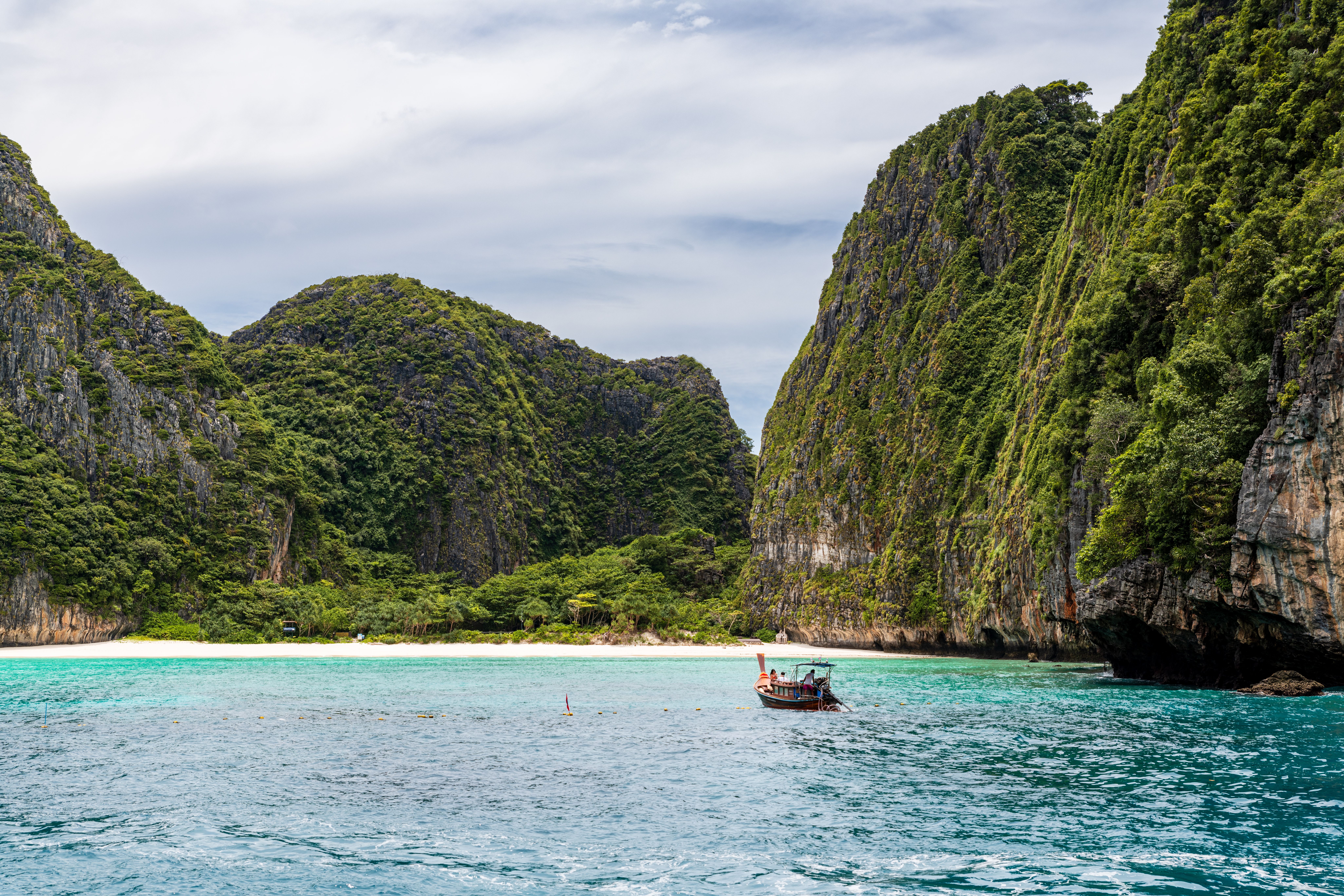
Beach Coastal BeachesPhuket pulses with the energy of a place caught between worlds—a sprawling island where high-rise resorts and shopping malls coexist with temple spires, rubber plantations, and fishing villages. The pace is frenetic in the tourist zones, especially around Patong Beach, where the streets throb with nightlife and commerce. But venture inland or to quieter beaches like Bang Tao or Karon, and you'll find a slower rhythm: local markets selling fresh seafood and tropical fruit, family-run restaurants, neighborhoods where Thai life continues largely unaffected by tourism. The island's geography is dramatic—limestone cliffs rise from turquoise water, dense jungle covers the interior, and the coastline is deeply indented with bays and coves. Phuket has grown into Thailand's largest beach destination and a major hub for Southeast Asian tourism, with modern infrastructure, international schools, and expat communities. Yet it retains pockets of genuine Thai culture and natural beauty, particularly in its national parks and less-developed southern reaches. The island draws everyone from backpackers to retirees, digital nomads to families, making it less a single place than a collection of overlapping worlds.
 BlueCross BlueShield Global Solutions
Get Quote
BlueCross BlueShield Global Solutions (BCBS) offers global health plans for international assignments or trips lasting 6 months or longer. With access to over 1.7M medical providers in 190 countries around the world, BCBS provides members with solutions and industry-leading digital services - ensuring top-quality coverage to people who live, work, study and travel internationally.
BlueCross BlueShield Global SolutionsBlueCross BlueShield Global Solutions (BCBS) offers global health plans for international assignments or trips lasting 6 months or longer. With access to over 1.7M medical providers in 190 countries around the world, BCBS provides members with solutions and industry-leading digital services - ensuring top-quality coverage to people who live, work, study and travel internationally.
Get Quote
Visa & Residency
Obtaining a residency in Thailand can be a straightforward process, but it requires careful preparation and adherence to the country's laws. The most common visa for expats seeking long-term residency is the Non-Immigrant Visa “O-A” (Long Stay). This visa is specifically designed for foreigners over 50 years old who wish to retire in Thailand. Applicants must meet financial requirements, such as having a certain amount of money in a Thai bank account or a monthly income or pension. Another option for expats is the Non-Immigrant Visa “B” (Business Visa), which is suitable for those who are employed or are starting a business in Thailand. This visa requires sponsorship from a Thai company and proof of adequate finances. For digital nomads, the Smart Visa is a relatively new option that caters to individuals in specific industries such as technology or startups. The Smart Visa comes in different categories, each with its own set of qualifications and benefits, allowing stays from 1 to 4 years without the need for a work permit. The application process for a Smart Visa involves presenting a viable business plan or employment contract from a qualifying company, and the criteria are quite stringent to ensure that applicants are bringing valuable skills to the country. The process of applying for a residency visa typically involves submitting an application to a Thai embassy or consulate in the applicant's home country. Required documents usually include a passport valid for at least six months, completed application forms, passport-sized photos, and relevant financial evidence. Some visas may also require a medical certificate and a police clearance certificate. Once in Thailand, visa holders must report to immigration every 90 days and may have to renew their visa annually. The difficulty of the process can vary depending on the type of visa and the applicant's circumstances, but with proper preparation and documentation, it can be considered average in terms of complexity compared to other countries. It is highly recommended to consult with the Thai embassy or a legal professional for the most current information and guidance throughout the visa application process.
Cost of Living
Living costs in Phuket vary dramatically by neighborhood and lifestyle. Tourist-heavy Patong commands premium prices for accommodation and dining, while Thai neighborhoods and quieter beach areas offer genuine affordability—a meal at a local restaurant costs a few dollars, and modest apartments rent for under $400 monthly. Expats and digital nomads can live comfortably on $1,000–$1,500 per month outside the main resort zones, though Western groceries and imported goods carry significant markups.
Weather
Phuket has a tropical monsoon climate with a hot, humid dry season from November to April and a wet season from May to October, with afternoon downpours and occasional storms.
Healthcare in Phuket
Phuket International Hospital and Bangkok Hospital Phuket both maintain JCI accreditation and English-speaking staff, making them solid choices for expats; costs run 30–50% below Western prices for most procedures. Smaller clinics dot the island and handle routine care competently, but serious trauma or complex surgery typically means transfer to Bangkok. Travel insurance that covers medical evacuation is worth the premium.
Schools in Phuket
Phuket has several established international schools including Phuket International School (PIS), which offers IB curriculum, and British International School Phuket (BISP), following the British National Curriculum. These schools serve expat families and offer English-medium instruction with strong academic standards, though tuition costs are significant.
Thai-English bilingual schools operate throughout Phuket, with options like Kajonkiet International School and various smaller institutions offering dual-language programs. These schools typically emphasize Thai language and culture alongside English instruction, appealing to families seeking balanced bilingual development.
Restaurants in Phuket