Montevideo
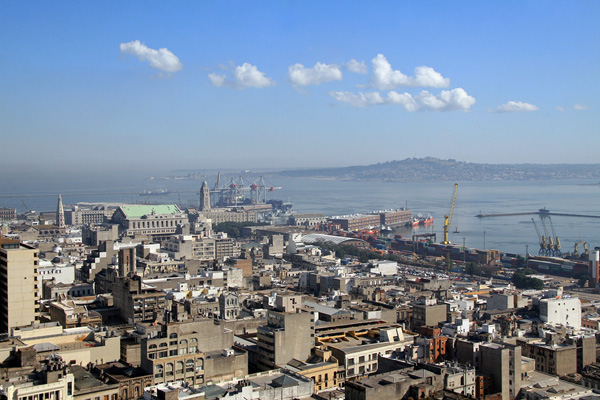
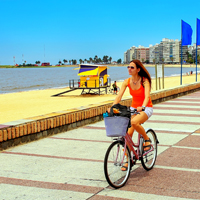
Urban Coastal Beaches RiverfrontMontevideo is the capital and largest city of Uruguay, situated on the northern shore of the Río de la Plata estuary. As a vibrant South American metropolis, it serves as the country's cultural, economic, and political hub. The city is characterized by its European-influenced architecture, tree-lined avenues, and a distinctive blend of colonial and modern buildings. Montevideo's waterfront, known as the Rambla, stretches for miles along the coast and is a beloved gathering place for locals and visitors alike. The city boasts a rich cultural scene with numerous museums, theaters, galleries, and music venues reflecting its artistic heritage. The historic Old City (Ciudad Vieja) features narrow streets, colonial plazas, and significant landmarks including the Cathedral and the Teatro Solís. Montevideo is known for its progressive social policies, high quality of life, and relatively stable economy compared to other Latin American capitals. The city offers diverse neighborhoods, each with distinct character—from the bohemian Barrio Sur to the upscale Pocitos district. Its culinary scene is renowned for traditional asado barbecue and fresh seafood. The population is predominantly of European descent, contributing to the city's cosmopolitan atmosphere and cultural diversity.
 Mobility LC
Connect
Mobility LC is committed to work hard to make your Uruguayan immigration and relocation process a reality. We can provide you with the best local contacts and will guide you all the way through the process offering support in 5 different languages. Your success is our personal goal.
Click connect to have our partner contact you via e-mail and/or phone.
Mobility LCMobility LC is committed to work hard to make your Uruguayan immigration and relocation process a reality. We can provide you with the best local contacts and will guide you all the way through the process offering support in 5 different languages. Your success is our personal goal.
Connect
Click connect to have our partner contact you via e-mail and/or phone.
Visa & Residency
Uruguay is known for its welcoming policy towards expats and retirees, offering a straightforward process for obtaining residency. The most popular visas for expats are the Rentista Visa, for individuals with a steady income from outside Uruguay, and the Pensionado Visa, for retirees with a pension. Digital nomads often opt for Uruguay’s Temporary Residence Visa, which allows them to live in the country for up to two years, with the possibility of extension or applying for permanent residency. To begin the residency process in Uruguay, expats must first enter the country on a tourist visa. Once in Uruguay, the individual must apply for residency through the Dirección Nacional de Migración (National Migration Directorate). The application requires various documents, including a birth certificate, proof of income, and a certificate of good conduct from the applicant's country of origin. All documents from abroad must be apostilled or legalized and translated into Spanish. The Rentista Visa requires proof of a monthly income of at least USD 1,500 from a stable source, such as investments, properties, or businesses outside of Uruguay. The Pensionado Visa, on the other hand, requires proof of receiving a pension, with a minimum amount that is periodically adjusted for inflation. Once the application is submitted, the expat must undergo a health check in Uruguay. After the health check and submission of all required documents, the expat will receive a temporary resident ID, known as a cédula, which allows them to live and work legally in Uruguay while their residency application is being processed. The process is generally considered easy compared to other countries, especially for those from the Mercosur countries, who benefit from a simplified process. However, it can take several months to a year for the residency to be approved. Once approved, the expat can apply for permanent residency, which can be granted after two years of temporary residency. Permanent residents are eligible to apply for Uruguayan citizenship after five years of residence in the country.
Cost of Living
The cost of living in Montevideo is moderate compared to major North American and European cities, though higher than many other Latin American capitals. Housing, dining, and entertainment are reasonably priced, making it accessible for both residents and expatriates. Utilities and imported goods tend to be more expensive, while local produce and services remain affordable.
Weather
Montevideo has a temperate oceanic climate with mild winters and warm summers, experiencing moderate rainfall throughout the year.
Healthcare in Montevideo
Montevideo has well-developed healthcare infrastructure with several modern private hospitals and clinics offering high-quality medical services comparable to developed nations. Public healthcare is also available through the national system, though private facilities are generally preferred by expatriates for shorter wait times and English-speaking staff. The city has good availability of specialists and modern medical technology.
Schools in Montevideo
Montevideo has several international schools including Colegio Británico (British curriculum), Colegio Alemán (German curriculum), and Liceo Francés (French curriculum). These schools offer IB programs and follow international educational standards, serving expat and local families seeking English or other language-based education.
Montevideo has numerous bilingual schools offering Spanish-English instruction, such as Colegio Integral and various private institutions. These schools blend Spanish language and culture with English-language education, making them popular among families seeking bilingual development for their children.
Local Schools
Restaurants in Montevideo