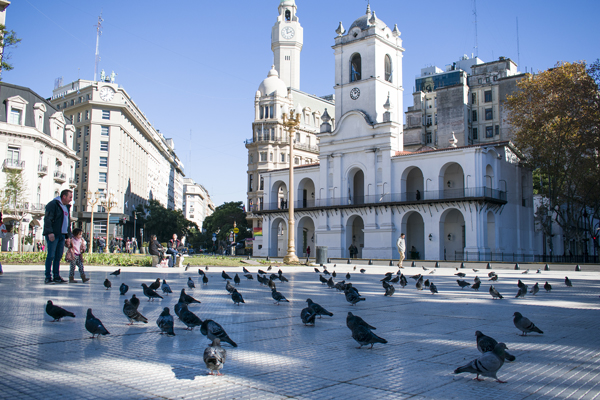
Buenos Aires
Urban Coastal RiverfrontBuenos Aires is the capital and largest city of Argentina, located on the eastern coast of South America along the Río de la Plata estuary. Known as the "Paris of South America," it is a vibrant metropolis characterized by European-influenced architecture, wide tree-lined avenues, and a rich cultural scene. The city is famous for its passionate tango culture, world-class museums, theaters, and galleries that reflect its deep artistic heritage. Buenos Aires features distinct neighborhoods, each with its own character—from the historic cobblestone streets of San Telmo to the upscale boutiques of Recoleta and the bohemian atmosphere of La Boca with its colorful buildings. The city boasts excellent restaurants, cafes, and nightlife, making it a major culinary destination. Buenos Aires is a major economic and cultural hub of South America, with a population of around 3 million in the city proper and over 15 million in the metropolitan area. The city is known for its educated population, strong literary tradition, and passionate sports culture, particularly football. Its infrastructure includes an extensive metro system, wide avenues designed for traffic flow, and numerous parks and green spaces throughout the urban landscape.
 BlueCross BlueShield Global Solutions
Get Quote
BlueCross BlueShield Global Solutions (BCBS) offers global health plans for international assignments or trips lasting 6 months or longer. With access to over 1.7M medical providers in 190 countries around the world, BCBS provides members with solutions and industry-leading digital services - ensuring top-quality coverage to people who live, work, study and travel internationally.
BlueCross BlueShield Global SolutionsBlueCross BlueShield Global Solutions (BCBS) offers global health plans for international assignments or trips lasting 6 months or longer. With access to over 1.7M medical providers in 190 countries around the world, BCBS provides members with solutions and industry-leading digital services - ensuring top-quality coverage to people who live, work, study and travel internationally.
Get Quote
Visa & Residency
Obtaining a residency in Argentina involves several steps and can be considered an average challenge compared to other countries. The process begins with determining the appropriate visa type based on the individual's circumstances. The most common types of visas for expats are the Rentista Visa, for individuals with a steady income from abroad, and the Pensionado Visa, for retirees with a pension. To apply for these visas, expats must first gather the required documents, which typically include a valid passport, birth certificate, proof of income or pension, criminal record check from the country of origin, and proof of health insurance. These documents must be legalized and translated into Spanish. The next step is to submit the visa application at an Argentine consulate or embassy in the applicant's home country or, in some cases, within Argentina. The application must be accompanied by the relevant supporting documents. After submission, the consulate will review the application, which can take several months. During this period, applicants may be asked to provide additional information or attend an interview. Once the consulate approves the visa, the applicant will receive a visa entry permit, allowing them to travel to Argentina. Upon arrival, they must make an appointment with the National Office (Dirección Nacional de Migraciones) to obtain their residency card. This card is typically valid for one year and can be renewed annually. The difficulty of the process can vary based on the applicant's nationality, the completeness of their application, and their ability to provide the necessary documentation. It is advisable for expats to seek legal assistance or consult with immigration experts to navigate the process smoothly. Overall, while there are several bureaucratic steps involved, the process is quite structured and manageable for those who prepare adequately.
Cost of Living
The cost of living in Buenos Aires is moderate compared to major North American and European cities, though it has increased in recent years. Accommodation, dining, and entertainment remain relatively affordable for international standards, though prices vary significantly by neighborhood. The city offers good value for quality of life, with access to cultural activities, dining, and services at reasonable costs.
Weather
Buenos Aires has a humid subtropical climate with warm summers and mild winters, experiencing moderate rainfall throughout the year.
Healthcare in Buenos Aires
Buenos Aires has well-developed healthcare infrastructure with modern hospitals and clinics, including both public and private facilities that meet international standards. The city attracts medical professionals and offers advanced medical services, though public healthcare can experience capacity issues while private healthcare is generally efficient and comprehensive. Major hospitals include Hospital Italiano, Hospital Alemán, and Hospital Británico.
Schools in Buenos Aires
Buenos Aires has several well-established international schools including Colegio San Martín de Tours, The Grange School, and Northlands School, offering IB and British curricula. These schools serve the expatriate community and provide education in English alongside Spanish instruction.
Buenos Aires offers numerous bilingual schools with Spanish-English programs at various levels, including institutions like Colegio Belgrano Day School and others throughout the city. These schools cater to families seeking dual-language education combining Argentine education standards with English proficiency.
Restaurants in Buenos Aires