California
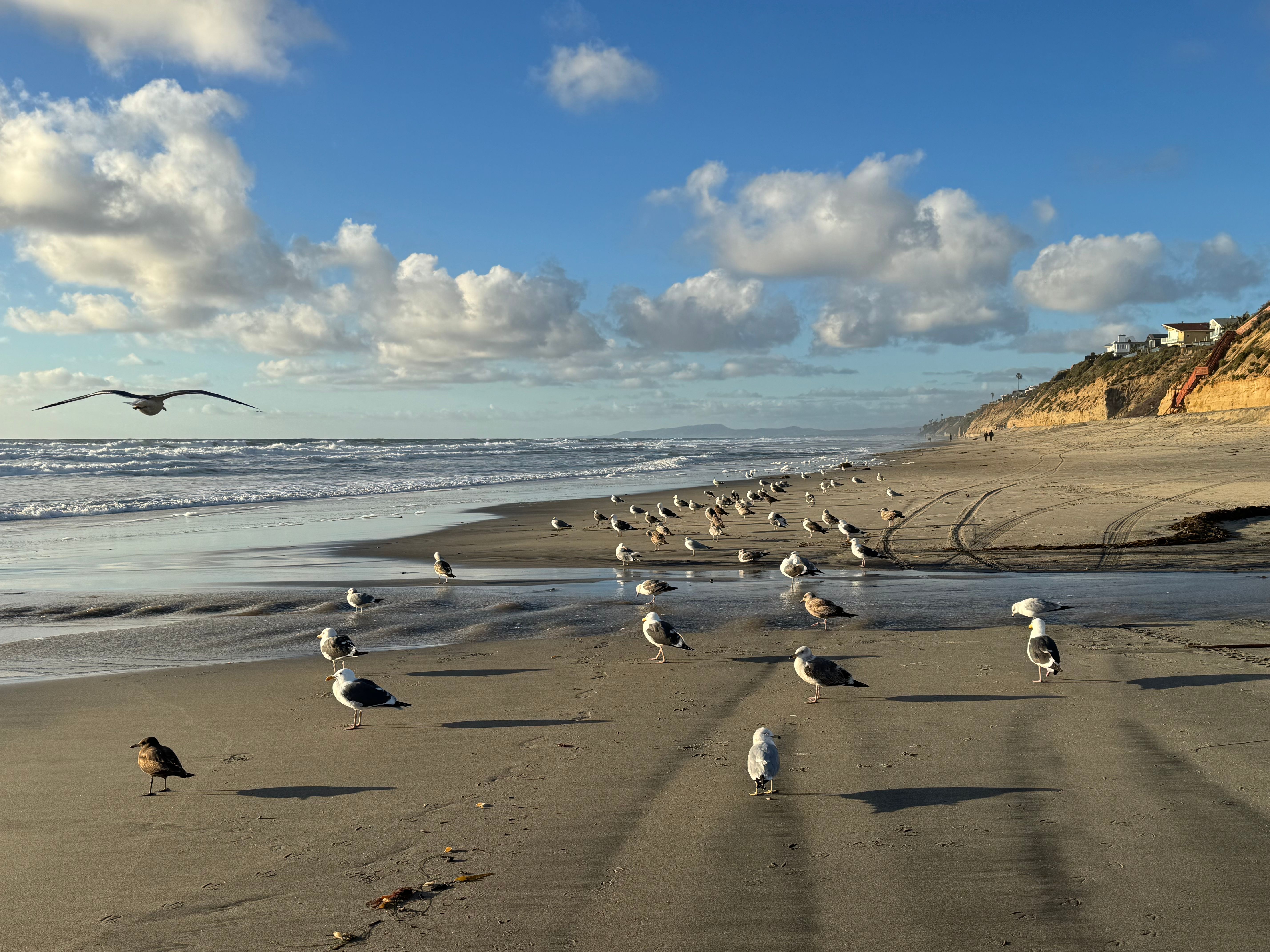
Coastal BeachesCalifornia is the most populous U.S. state, located on the West Coast and spanning diverse landscapes from deserts to redwood forests. The state encompasses major metropolitan areas including Los Angeles, San Francisco, and San Diego, alongside vast agricultural regions and natural wonders like Yosemite and Death Valley. California's economy is the largest of any U.S. state, driven by technology, entertainment, agriculture, and tourism industries. The culture is known for innovation, diversity, and progressive values, with a significant international population. Life in California varies dramatically by region—from bustling urban centers to quiet coastal towns and mountain communities. The state attracts people worldwide seeking economic opportunity, natural beauty, and a dynamic lifestyle.
Podcasts

Episode 6: Jake Barber - Expat Finance Expert and Lifelong Expat


Episode 8: Jake Barber - The Expat Finance Expert Returns
Best Places to Live in California
Cost of Living
California has among the highest costs of living in the United States. Housing is particularly expensive, with median home prices exceeding $800,000 statewide, though varying significantly by region—San Francisco Bay Area and Los Angeles command premium prices while inland areas are more affordable. Rental prices are similarly high, with one-bedroom apartments in major cities averaging $1,500–$2,500+ monthly. Daily expenses including groceries, utilities, and transportation are above the national average, making California one of the least affordable states for most income levels.
Weather
California experiences highly variable weather depending on region and elevation. Coastal areas enjoy mild, temperate conditions year-round with cool summers and mild winters. Interior valleys and deserts experience hot, dry summers with temperatures often exceeding 95°F (35°C), while winters are mild. Northern regions receive more rainfall, particularly in winter months, while southern California is predominantly dry.
Educational System in California
The educational system in California is comprehensive and diverse, catering to a wide range of educational needs and preferences. Public education in California is free and compulsory for children between the ages of 6 and 18. The system is divided into different levels: elementary school (Kindergarten through 5th grade), middle school (6th through 8th grade), and high school (9th through 12th grade). Children typically start Kindergarten at the age of 5 and graduate from high school at around 18. California's public schools are governed by the California Department of Education, which sets the educational standards and assessments. The state also offers charter schools, which are public schools with more flexibility in their operations, and private schools, which may be secular or religious. In addition to traditional schooling, California supports homeschooling under certain legal requirements. The quality of education can vary significantly depending on the district and the funding it receives. California has adopted the Common Core State Standards, which aim to provide a consistent, clear understanding of what students are expected to learn. The state also administers standardized tests to measure student progress. For families moving to California from another country, it's important to note that the state has a large number of English Language Learner (ELL) students, and schools provide specialized programs to support their education.
Universities in California
The university system in California is one of the largest and most prestigious in the United States, comprising both public and private institutions. The public university system is divided into two main tiers: the University of California (UC) system, with campuses like UC Berkeley and UCLA, and the California State University (CSU) system, with campuses such as San Diego State University and San Francisco State University. The UC system is research-oriented and offers undergraduate, graduate, and doctoral programs, while the CSU system primarily focuses on undergraduate and master's level education. Additionally, California is home to renowned private universities such as Stanford University and the California Institute of Technology (Caltech). The academic year typically starts in late August or early September and ends in May or June, with the standard undergraduate degree taking four years to complete. Graduate programs can vary in length from one to several years, depending on the field of study. For international students, the application process involves providing standardized test scores, proof of English proficiency, and academic transcripts. The cost of attending university in California is generally high, especially for out-of-state and international students, who pay higher tuition fees than residents. Financial aid and scholarships are available but can be highly competitive. Living expenses in California can also contribute significantly to the overall cost of education, particularly in major cities.