Grenada
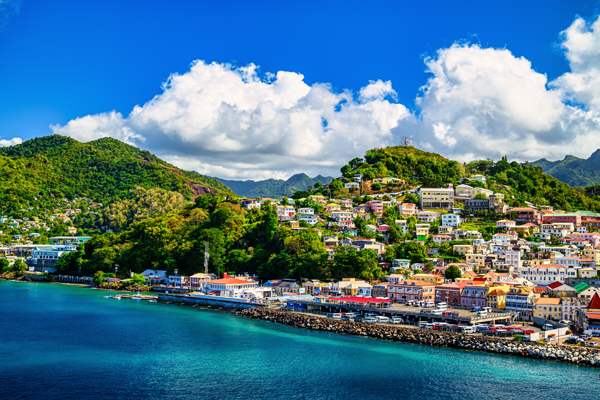
Coastal BeachesGrenada is a small island nation located in the southeastern Caribbean, part of the Windward Islands. Known as the 'Spice Island,' it is famous for its production of nutmeg, cinnamon, and other spices that have shaped its economy and culture for centuries. The country consists of the main island of Grenada and smaller islands including Carriacou and Petite Martinique. Life here blends Caribbean charm with a laid-back pace, featuring colorful colonial architecture, vibrant local markets, and strong community traditions. The economy relies on tourism, agriculture, and increasingly on offshore financial services. Grenada offers a tropical lifestyle with friendly locals, rich cultural heritage, and access to pristine beaches and lush rainforests.
 BlueCross BlueShield Global Solutions
Get Quote
BlueCross BlueShield Global Solutions (BCBS) offers global health plans for international assignments or trips lasting 6 months or longer. With access to over 1.7M medical providers in 190 countries around the world, BCBS provides members with solutions and industry-leading digital services - ensuring top-quality coverage to people who live, work, study and travel internationally.
BlueCross BlueShield Global SolutionsBlueCross BlueShield Global Solutions (BCBS) offers global health plans for international assignments or trips lasting 6 months or longer. With access to over 1.7M medical providers in 190 countries around the world, BCBS provides members with solutions and industry-leading digital services - ensuring top-quality coverage to people who live, work, study and travel internationally.
Get Quote
Podcasts

Episode 8: Jake Barber - The Expat Finance Expert Returns


Episode 6: Jake Barber - Expat Finance Expert and Lifelong Expat
Living in Grenada
Best Places to Live in Grenada
Visa & Residency
Obtaining a residency in Grenada can be a straightforward process, but it requires the applicant to meet certain criteria and provide the necessary documentation. The most common type of residency visa for expats is the Permanent Residence Permit. To apply for this permit, expats must have lived in Grenada for at least two years on a legal basis. The application process involves submitting a completed application form, a passport valid for at least six months, proof of financial means to support oneself, a police record from the applicant's last place of residence, and a medical certificate proving the applicant is in good health. Applicants must also provide four passport-sized photos, a letter of intent stating the reason for applying for permanent residence, and, if applicable, proof of marriage to a Grenadian citizen or proof of Grenadian parentage. The process is considered to have an average level of difficulty compared to other countries. It is neither too cumbersome nor too simple, and it requires attention to detail to ensure all paperwork is correctly submitted. For digital nomads, Grenada does not currently offer a specific digital nomad visa. However, many digital nomads enter the country using a Tourist Visa, which allows them to stay for up to 90 days. This visa can be extended if the individual wishes to stay longer, but it does not grant the right to work for a Grenadian company or establish a business in Grenada. The government of Grenada has been known to be welcoming to expats and investors, which is reflected in its citizenship by investment program. This program allows individuals to obtain Grenadian citizenship by investing a significant amount in the country's economy, which can also lead to permanent residence. However, this option requires a substantial financial commitment. Overall, the process of obtaining a residency visa in Grenada involves gathering the necessary documents, meeting the residency requirements, and going through the application process with the Grenada Department. Expats who have navigated the process suggest that while it requires some effort, it is generally manageable with proper planning and attention to detail.
Healthcare in Grenada
The system in Grenada consists of a mix of public and private healthcare services. The public healthcare system is accessible to all citizens and legal residents, including expatriates who have established residency. It is funded by the government and provides a range of services from primary to tertiary care, although the scope and quality of services can vary. The General Hospital in St. George's is the main public healthcare facility, supplemented by health centers and medical stations across the island. Private healthcare in Grenada offers an alternative, with clinics and medical practices providing services for a fee. These are often utilized by those who can afford private health insurance or out-of-pocket payments, and are generally considered to offer a higher standard of care with shorter waiting times. Expats and digital nomads can access public healthcare once they have legal residency status, but many opt for private health insurance to cover private healthcare costs. The cost of public healthcare is relatively low, especially compared to North American standards, but private healthcare costs can be significant.
Cost of Living
The cost of living in Grenada is moderate compared to developed nations but varies significantly by lifestyle and location. Rental prices for a one-bedroom apartment in the capital, St. George's, range from $600-$1,200 USD monthly, while outside the city center they may be $400-$800. Property purchases average $200,000-$400,000 USD for modest homes, though beachfront properties command premium prices. Daily expenses for groceries and dining are reasonable, though imported goods carry higher costs due to island logistics.
Weather
Grenada experiences a tropical climate with warm temperatures year-round, typically ranging from 75°F to 86°F (24°C to 30°C). The dry season runs from January to May, offering the most pleasant weather with lower humidity and minimal rainfall. The wet season from June to December brings higher humidity and frequent afternoon showers, with hurricane season peaking from August to November, though direct hits are relatively rare.
Educational System in Grenada
The educational system in Grenada is based on the British model and is known for providing a solid foundation for children from a young age. Education is compulsory for children between the ages of 5 and 16. The system is divided into three main stages: primary education, secondary education, and tertiary education. Primary education starts at the age of 5 and lasts for six years, culminating in the Caribbean Primary Exit Assessment (CPEA). Following primary school, students enter secondary education, which lasts for five years. Secondary schools in Grenada are either government-run or private, and students work towards obtaining the Caribbean Secondary Education Certificate (CSEC) after the first four years. Those who wish to pursue advanced studies can stay on for a further two years to prepare for the Caribbean Advanced Proficiency Examination (CAPE). The school year in Grenada typically starts in September and ends in July, with breaks in December and April. The quality of education is generally good, with a focus on preparing students for higher education and the workforce. There are also opportunities for vocational training and non-traditional educational paths. Parents moving to Grenada can expect their children to receive an education that emphasizes literacy, numeracy, and critical thinking skills.
Universities in Grenada
The university system in Grenada is relatively small but growing, with St. George's University (SGU) being the most prominent institution. SGU is internationally recognized, especially for its School of Medicine and Veterinary Medicine. University education in Grenada typically follows the North American system, with undergraduate degrees taking four years to complete. SGU, in particular, offers programs in medicine, veterinary medicine, arts and sciences, and graduate studies. The university attracts a large number of international students, especially from the United States and Canada, due to its accredited programs and the opportunity to complete clinical rotations in affiliated hospitals in the US and UK. The academic year at SGU is divided into trimesters, allowing for flexible start dates for various programs. For international students considering attending university in Grenada, it is important to note that the primary language of instruction is English. The application process may include standardized tests, proof of English proficiency, and previous academic records. Living on the island provides a unique cultural experience, with the chance to enjoy Grenada's beautiful landscapes and vibrant culture while pursuing academic goals.
Living in Grenada