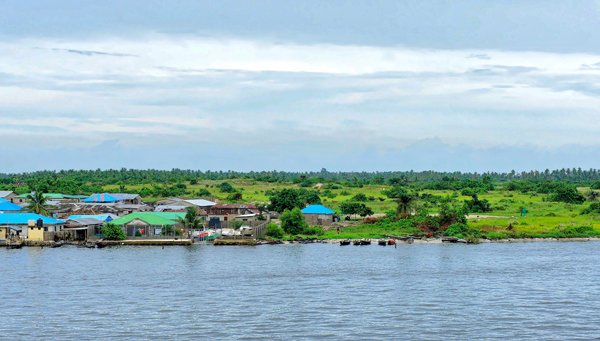
Lagos, Nigeria

Digital Nomad Exchange > Nigeria

Nigeria

  Coastal   Beaches  

Nigeria is West Africa's most populous country, located on the Gulf of Guinea with diverse geography ranging from coastal swamps to savannas and forests. The nation is a cultural and economic powerhouse, home to over 250 ethnic groups speaking hundreds of languages, with English as the official language. Lagos, the largest city, is a vibrant financial hub and cultural center known for its music, film, and entrepreneurial energy. Nigeria has Africa's largest economy, driven primarily by oil exports, though agriculture and services sectors are also significant. The country offers a dynamic, youthful population and rich cultural experiences, though infrastructure challenges and security concerns in some regions require careful consideration. Life in major cities like Lagos and Abuja is cosmopolitan and fast-paced, while rural areas maintain traditional lifestyles.

 PassportCard Expat Health Insurance PassportCard Expat Health Insurance
Get Quote

Never worry about paying your medical bills out of pocket again. The innovative PassportCard allows for a stress-free experience for all expat families, remote travelers, and workers. With a 24/7 customer service and an outstanding customer base of over 2 Million clients, it will feel like medical care at home. Get up to 10% off on your policy now.

 PassportCard Expat Health Insurance PassportCard Expat Health Insurance

Never worry about paying your medical bills out of pocket again. The innovative PassportCard allows for a stress-free experience for all expat families, remote travelers, and workers. With a 24/7 customer service and an outstanding customer base of over 2 Million clients, it will feel like medical care at home. Get up to 10% off on your policy now.
Get Quote

Podcasts

Episode 6: Jake Barber - Expat Finance Expert and Lifelong Expat

Episode 6: Jake Barber - Expat Finance Expert and Lifelong Expat

Jake Barber is an expat finance expert and the founder and principal of SJB Global. A lifelong expat currently living in Marbella, Spain, Jake has vast experience helping expats from the United States, the United Kingdom, and other countries manage their finances while living abroad. Get a primer on what you need to know both before and after you move abroad!
Episode 8: Jake Barber - The Expat Finance Expert Returns

Episode 8: Jake Barber - The Expat Finance Expert Returns

Jake Barber, the Founder and CEO of SJB Global, is a life-long expat and an expert in expat finance. Over the course of Expat Exchange's nearly 30 years online, there are few people we have met with as much lived experience and professional acumen as Jake. We were thrilled to welcome him back to the show and look forward to having him on again!

Living in Nigeria

Best Places to Live in Nigeria

Discover the top-ranked towns in Nigeria. Click on the town's name for a full profile of each town.
Rankings are based on a combination of many factors including schools, recreation, family-friendliness, cost of living and crime.

Visa & Residency

Obtaining a residency in Nigeria involves several steps and can be considered an average challenge due to the bureaucratic processes involved. The most common residency visa for expats is the Subject to Regularization (STR) Visa, which is designed for those who have secured employment in Nigeria. To apply for an STR Visa, the expat must first receive a job offer from a Nigerian company. The company must then apply for an Expatriate Quota, which grants permission to employ foreign nationals. Once the quota is approved, the expat can apply for the STR Visa at a Nigerian embassy or consulate in their home country. The application requires a valid passport, the expatriate quota approval, a letter of employment, a curriculum vitae, credentials, and a completed visa application form. After entering Nigeria on an STR Visa, the expat must then apply for the Combined Expatriate Residence Permit and Aliens Card (CERPAC), which allows them to live and work in Nigeria for one to two years, renewable. The CERPAC process requires a medical test, a formal application, and biometric capturing. It is important to note that the process can be time-consuming and may require assistance from legal or professionals in Nigeria. For digital nomads, the Tourist Visa is an option, although it is not specifically tailored to remote workers. The Tourist Visa allows visitors to stay for up to 90 days and can be extended once in the country. Digital nomads must provide evidence of sufficient funds, a return ticket, and a hotel reservation or host address. While the process for obtaining residency in Nigeria is structured, it can be complex and requires careful attention to detail to ensure compliance with all immigration requirements.

Healthcare in Nigeria

The system in Nigeria is a mix of public and private healthcare services. The public healthcare system is managed by the federal, state, and local governments, and is supposed to provide services to the population at low or no cost. However, it is often underfunded and understaffed, leading to challenges in accessing quality care and long waiting times. Private healthcare in Nigeria offers higher quality services and shorter waiting times but at a significantly higher cost, making it less accessible to the majority of the population. Expats and digital nomads can access public healthcare, but many opt for private healthcare due to the higher quality of services. It is advisable for expats and digital nomads to have health insurance that covers private healthcare.

Cost of Living

Nigeria offers relatively low cost of living compared to Western countries, though prices vary significantly between Lagos and other cities. Rent in Lagos ranges from ₦150,000–₦500,000+ monthly ($100–$330+) for modest apartments in decent neighborhoods, while outside major cities costs are substantially lower. Food, transportation, and utilities are affordable, though imported goods and premium services carry higher price tags. Overall, daily expenses for a comfortable lifestyle are modest by international standards.

Weather

Nigeria experiences a tropical climate with distinct wet and dry seasons. The rainy season typically runs from April to October, with heaviest rainfall in coastal and southern regions, while the dry season spans November to March. Harmattan winds from the Sahara bring cooler, drier conditions during December to February in northern areas. Temperatures remain warm year-round, generally ranging from 20–35°C (68–95°F), with higher humidity during rainy months.

Educational System in Nigeria

The educational system in Nigeria is overseen by the Ministry of Education and it includes public and private schools. Education is compulsory for children aged 6 to 15, covering primary and junior secondary education. The system is structured in a 6-3-3-4 format: six years of primary education, three years of junior secondary, three years of senior secondary, and a minimum of four years for university education. Primary education begins at age six and focuses on basic literacy, numeracy, and social skills. Upon completion, students receive a First School Leaving Certificate. Junior secondary education provides a more general education, and students can opt for vocational tracks. At the end of this stage, they take the Basic Education Certificate Examination (BECE). Senior secondary education prepares students for tertiary education or the workforce. Students specialize in science, commercial, or arts tracks and conclude with the West African Senior School Certificate Examination (WASSCE). The academic year typically runs from September to July, with a long vacation in August. The quality of education varies significantly, with private schools generally offering better facilities and learning environments than underfunded public schools.

Universities in Nigeria

The university system in Nigeria consists of federal, state, and private institutions. Admission is competitive and based on the Unified Tertiary Matriculation Examination (UTME) and post-secondary school grades. Undergraduate programs typically last for four to six years, depending on the field of study; for example, medicine may take longer. The academic calendar is divided into semesters. Universities offer bachelor's, master's, and doctoral degrees across various disciplines. The quality of university education can vary, with some institutions having excellent reputations, particularly in disciplines like law and medicine. However, the system faces challenges such as strikes by academic staff, which can extend the duration of programs. Foreign students are welcome, and many universities have offices dedicated to assisting them with admission and integration. Costs for international students can be higher than for locals, and living expenses vary depending on the city.

Copyright 1997-2026 Burlingame Interactive, Inc.

Privacy Policy Legal