El Salvador
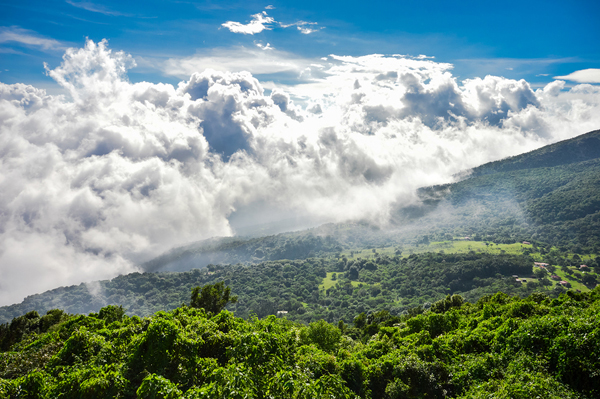
Coastal BeachesEl Salvador is the smallest country in Central America, located on the Pacific coast between Guatemala and Honduras. It is characterized by volcanic terrain, tropical landscapes, and a rich indigenous Mayan heritage blended with Spanish colonial influences. The country has a warm, vibrant culture with strong family values, colorful festivals, and renowned cuisine featuring pupusas and fresh tropical fruits. The economy is primarily based on agriculture, remittances, and services, with growing tourism and technology sectors. Life in El Salvador offers an affordable lifestyle with access to natural beauty, though the country faces challenges related to gang violence in certain areas. The population is warm and welcoming, and Spanish is the primary language spoken throughout the nation.
 SJB Global
Connect
SJB-Global is a top-rated financial advisory firm specializing in expat financial advice worldwide, offering retirement planning & tax-efficient solutions with a regressive fee model. Our clients benefit from their country’s most favorable tax environment by utilizing the efficient investment vehicles we offer. Our commitment to quality service is reflected in our stellar reviews, with over 300 testimonials boasting 95% five-star ratings.
Click connect to have our partner contact you via e-mail and/or phone.
SJB GlobalSJB-Global is a top-rated financial advisory firm specializing in expat financial advice worldwide, offering retirement planning & tax-efficient solutions with a regressive fee model. Our clients benefit from their country’s most favorable tax environment by utilizing the efficient investment vehicles we offer. Our commitment to quality service is reflected in our stellar reviews, with over 300 testimonials boasting 95% five-star ratings.
Connect
Click connect to have our partner contact you via e-mail and/or phone.
Podcasts

Episode 8: Jake Barber - The Expat Finance Expert Returns


Episode 6: Jake Barber - Expat Finance Expert and Lifelong Expat
Living in El Salvador
Best Places to Live in El Salvador
Visa & Residency
Obtaining a residency in El Salvador involves several steps and can be considered an average challenge compared to other countries. The process begins with determining the appropriate visa type based on the individual's circumstances. The most common types of residency visas for expats are the Rentista Visa and the Pensionado Visa. The Rentista Visa is designed for individuals who have a stable income from investments or property rentals, while the Pensionado Visa is for retirees with a stable pension income. To apply for either visa, applicants must provide proof of their income, which must meet the minimum financial requirements set by the Salvadoran government. For the Rentista Visa, this typically means showing a monthly income of at least $2,500 from investments or property rentals. For the Pensionado Visa, applicants must demonstrate a monthly pension income of at least $1,000. These amounts are subject to change, so it's important to verify the current requirements. Applicants must also submit a variety of documents, including a valid passport, police clearance from their country of origin, health certificate, and proof of income. All documents from outside El Salvador must be apostilled or legalized, depending on the country of origin, and translated into Spanish if they are not already in that language. Once the application and all necessary documents are submitted to the General Directorate for Migration, the review process begins. This can take several months, and applicants may be required to attend an interview. If the application is approved, the applicant will receive a one-year temporary residency visa, which can be renewed annually. After five years of temporary residency, individuals may apply for permanent residency. It's worth noting that the process can be bureaucratic and may require patience and persistence. Hiring a local attorney or specialist can help navigate the complexities of the process and improve the chances of a successful application. Overall, while there are several steps and requirements to fulfill, the process is manageable, especially with proper guidance.
Healthcare in El Salvador
El Salvador's system is a mix of public and private services. The public healthcare system is managed by the Salvadoran Social Security Institute (ISSS) and the Ministry of Health (MINSAL). Public healthcare is available to all citizens and residents, including a network of hospitals and clinics across the country. However, the quality of public healthcare can vary, with urban areas typically having better facilities and resources than rural ones. Private healthcare in El Salvador offers higher quality services with more modern facilities and shorter wait times, but at a higher cost. Expats and digital nomads can access public healthcare if they are legal residents and contribute to the social security system, or they can opt for private healthcare services. The cost of private healthcare is generally affordable compared to North American and European standards, but still expensive for the average Salvadoran.
Cost of Living
El Salvador has a low cost of living compared to North America and Europe. Rental prices for a one-bedroom apartment in the capital San Salvador range from $400-800 USD monthly, while outside the city center costs drop significantly to $250-500. Property purchases are affordable, with residential properties available from $80,000-200,000 USD depending on location and amenities. Daily expenses including food, transportation, and utilities are inexpensive, making it an attractive destination for budget-conscious relocators.
Weather
El Salvador has a tropical climate with two main seasons: the rainy season (May to October) and the dry season (November to April). Temperatures remain consistently warm year-round, typically ranging from 70-90°F (21-32°C) depending on elevation. The coastal and lowland areas are hot and humid, while highland regions offer cooler temperatures. Hurricane season runs from June through November, with the country occasionally experiencing tropical storms.
Educational System in El Salvador
The educational system in El Salvador is structured similarly to many Latin American countries, with a mix of public and private institutions. Education is compulsory from ages 7 to 18, which includes the basic education cycle and the middle education cycle. The basic education cycle is divided into three cycles: the first cycle covers grades 1 to 3, the second cycle includes grades 4 to 6, and the third cycle comprises grades 7 to 9. After completing these nine years, students receive their Basic Education Certificate. The middle education cycle, known as Bachillerato, typically covers grades 10 to 12 and is divided into general education and vocational training. Upon completion, students are awarded the Bachillerato Certificate, which is necessary for university admission. The school year in El Salvador runs from January to November. Public education is free up to the high school level, but schools often lack resources and infrastructure. Private schools offer better facilities and quality of education but can be expensive. The curriculum is set by the Ministry of Education and includes subjects like mathematics, science, social studies, Spanish, English, and physical education. The quality of education varies significantly across the country, with urban areas generally providing better education services than rural ones. Parents moving to El Salvador should consider these factors and may need to look into private schooling or international schools to ensure a quality education for their children.
Universities in El Salvador
The university system in El Salvador consists of both public and private institutions, with the University of El Salvador (UES) being the largest and oldest public university. Higher education is structured around undergraduate (Licenciatura or Ingeniería), graduate (Maestría), and doctoral (Doctorado) degrees. Undergraduate programs typically last between four to six years, depending on the field of study. Graduate programs can take an additional two to four years. The academic year is divided into two semesters, with some universities offering summer courses as well. Admission to universities is competitive and usually requires a Bachillerato Certificate and passing entrance exams. Foreign students are welcome, but they should verify if they need to validate their high school diploma and may need to demonstrate Spanish proficiency. The quality of higher education varies, with some universities having strong reputations in certain fields. Costs for university education can vary widely, with public universities being significantly less expensive than private ones. However, even at public universities, there may be additional fees for registration, materials, and other services. Foreign students should also consider living expenses, which can add to the overall cost of studying in El Salvador. Scholarships and financial aid are available but may be limited, especially for international students.
Living in El Salvador