France
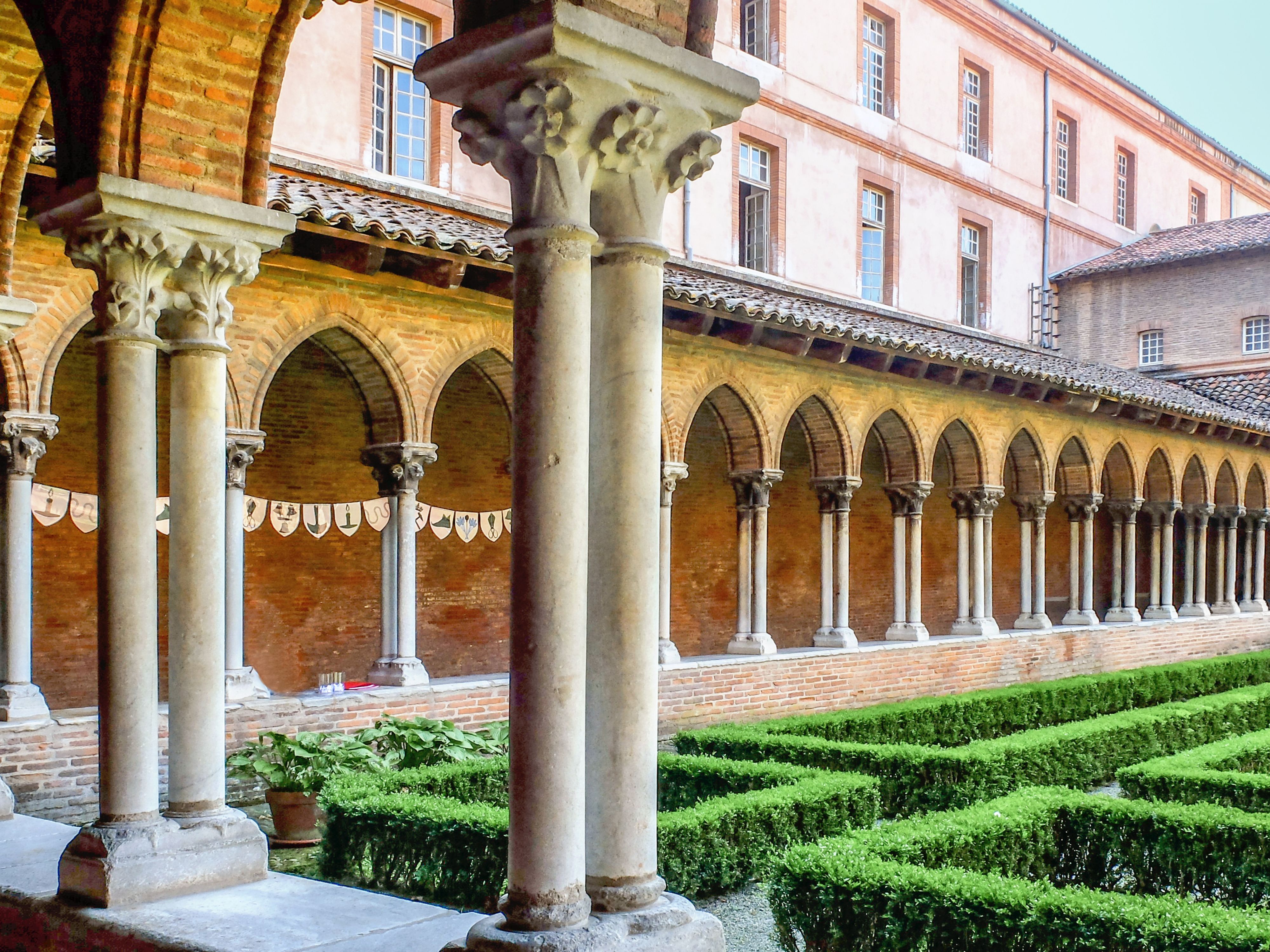
Coastal BeachesFrance is a Western European country known for its rich history, cultural influence, and diverse landscapes spanning from the Atlantic coast to the Mediterranean and from the English Channel to the Alps. The country is a global center for art, cuisine, fashion, and philosophy, with Paris serving as its vibrant capital. France has a mixed economy that is the second-largest in Europe, with strong sectors in tourism, luxury goods, agriculture, and technology. The French lifestyle emphasizes quality of life, with excellent healthcare, education systems, and a strong work-life balance culture. The country offers a blend of urban sophistication in major cities and charming rural villages, making it attractive to both professionals and those seeking a slower pace of life.
 SJB Global
Connect
SJB-Global is a top-rated financial advisory firm specializing in expat financial advice worldwide, offering retirement planning & tax-efficient solutions with a regressive fee model. Our clients benefit from their country’s most favorable tax environment by utilizing the efficient investment vehicles we offer. Our commitment to quality service is reflected in our stellar reviews, with over 300 testimonials boasting 95% five-star ratings.
Click connect to have our partner contact you via e-mail and/or phone.
SJB GlobalSJB-Global is a top-rated financial advisory firm specializing in expat financial advice worldwide, offering retirement planning & tax-efficient solutions with a regressive fee model. Our clients benefit from their country’s most favorable tax environment by utilizing the efficient investment vehicles we offer. Our commitment to quality service is reflected in our stellar reviews, with over 300 testimonials boasting 95% five-star ratings.
Connect
Click connect to have our partner contact you via e-mail and/or phone.
Podcasts
Episode 2: Finding the Good Life in France


Episode 6: Jake Barber - Expat Finance Expert and Lifelong Expat

Episode 8: Jake Barber - The Expat Finance Expert Returns
Living in France
Best Places to Live in France
Visa & Residency
Obtaining a residency in France involves several steps and can vary in complexity depending on the type of visa applied for. The Talent Passport is a popular choice for highly skilled expats, which is valid for four years and renewable. It is designed for various categories of professionals including researchers, artists, and business founders. Another common option is the Long-stay visa equivalent to a residence permit (VLS-TS), which allows expats to live in France for up to a year without the need for a separate residence permit. Upon arrival in France, holders of this visa must validate it within three months. For digital nomads, the Long-stay visa for visitors is a suitable option. This visa does not permit employment in France but allows individuals to reside in the country for up to a year. Applicants must prove they have sufficient financial means, health insurance, and accommodation. The process generally starts with an application submitted to the French consulate or embassy in the applicant's home country. Required documentation typically includes a passport, application forms, photos, proof of financial means, health insurance, and a letter explaining the purpose of the stay. Some visas may require additional documents such as a job offer, proof of professional skills, or a business plan. Once the initial visa is granted and the individual arrives in France, they may need to undergo a medical examination and apply for a residence permit (carte de séjour) if planning to stay longer than the visa's validity. The difficulty of the process can vary, but France has made efforts to streamline visa applications for skilled professionals and entrepreneurs. However, navigating the French bureaucracy can still be challenging, and proficiency in French is often helpful. It is advisable to start the application process well in advance of the intended move date and to consult the official French visa website or a professional for the most current information and guidance.
Healthcare in France
The healthcare system in France is known for its high quality and is a hybrid system combining both public and private sectors. The public healthcare system is funded by the government through a system called Sécurité Sociale, which provides universal coverage to all residents, including expats who have entered the system. Private healthcare exists alongside the public system, offering additional services and shorter waiting times for those who can afford it. The quality of healthcare in France is generally excellent, with a high ratio of doctors to patients and modern facilities. Public healthcare is mostly free at the point of use, funded by taxation, while private healthcare costs can vary widely. Expats and digital nomads can gain access to public healthcare once they are registered in the French system, which typically involves having a job or being a resident in France.
Cost of Living
France has a moderate to high cost of living, particularly in Paris and other major cities where housing is expensive. Rental prices in Paris average €800-1,500+ per month for a one-bedroom apartment in central areas, while outside the capital they are significantly lower. Property purchase prices range from €4,000-8,000+ per square meter in Paris to €2,000-4,000 in provincial cities. Daily expenses for groceries, dining, and utilities are reasonable compared to other Western European countries, though Paris is notably pricier than rural areas.
Weather
France experiences varied weather patterns depending on region, with the north having cooler, wetter conditions and the south enjoying warmer, sunnier weather. Winters are generally mild in most areas but can be cold in mountainous regions, while summers are warm and pleasant across the country. Spring and autumn are transitional seasons with moderate temperatures and variable rainfall. Coastal areas benefit from maritime influences that moderate temperature extremes.
Educational System in France
The educational system in France is renowned for its rigorous curriculum and state control over educational standards. Education is compulsory for children aged 3 to 16, with many students continuing until they are 18. The system is divided into several stages: école maternelle (preschool), école élémentaire (elementary school), collège (middle school), and lycée (high school). Preschool, which is not mandatory, starts at age 3 and continues until age 6. Elementary school begins at age 6 and lasts for five years, after which students enter middle school at age 11. Middle school lasts for four years, and students receive a diploma called the Diplôme National du Brevet upon completion. High school is divided into the general, technological, and vocational paths, lasting three years. Students aim to pass the baccalauréat exam at the end of high school, which is necessary for university admission. The French educational system is known for its formal and structured approach, with a strong emphasis on academics, particularly in mathematics and literature. The state provides free education at public schools, though private schools are also available. The school year runs from September to July, with several holidays throughout. French schools are known for their long school days, often starting around 8:30 am and ending at 4:30 pm, with a longer lunch break. Wednesday afternoons are typically free for younger students. The quality of education is generally high, with a focus on critical thinking and in-depth subject knowledge.
Universities in France
The university system in France is part of the larger European Higher Education Area, which aims to ensure comparability in the standards and quality of higher education qualifications. French universities offer a wide range of programs in the arts, sciences, and professional fields. The system is divided into three main cycles: Licence (Bachelor's degree), Master, and Doctorate. The Licence typically takes three years to complete, the Master takes two years, and the Doctorate takes at least three years. There are also Grandes Écoles, which are highly selective institutions offering specialized education in areas such as engineering, business, and public administration. Admission to universities is generally based on the baccalauréat results, while Grandes Écoles require passing competitive exams. French universities are known for their theoretical approach and emphasis on research. The academic year starts in September or October and ends in May or June, with exams taking place at the end of each semester. Foreign students are welcomed and there are many programs available in English, especially at the Master's level. Living in France provides an opportunity to learn French and immerse oneself in a rich cultural environment. The cost of university varies; public universities charge relatively low tuition fees, while Grandes Écoles and private institutions can be more expensive.
Living in France