Carlow
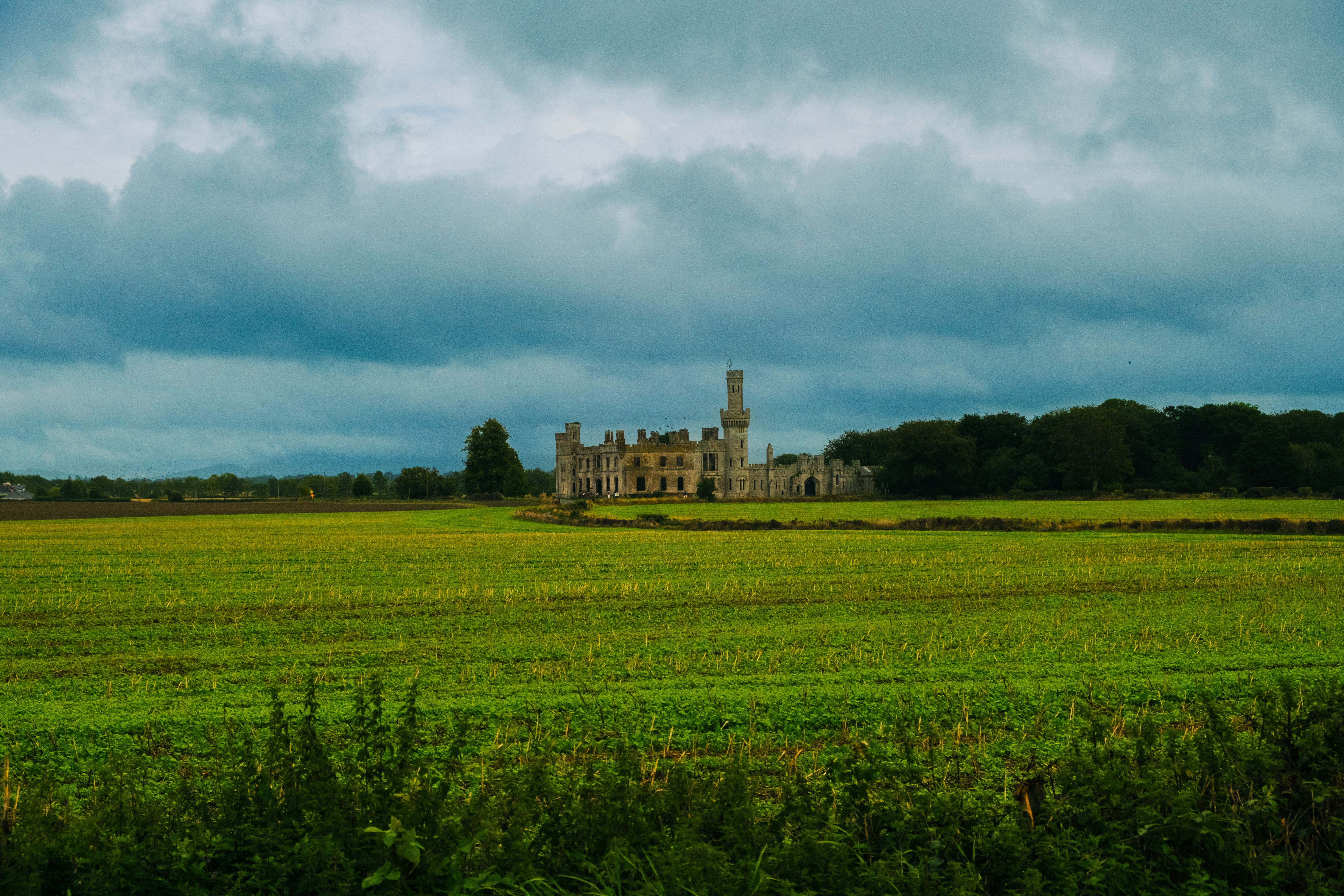
Country RiverfrontCarlow is a county town located in the southeast of Ireland, situated in the province of Leinster. It serves as the administrative center of County Carlow and is positioned along the River Barrow, which has historically been central to the town's development and character. The town features a blend of historical architecture and modern amenities, with its town center characterized by traditional Irish streetscapes and local businesses. Carlow has a rich medieval heritage, evident in the ruins of Carlow Castle, which dates back to the 13th century and stands as a testament to the area's historical significance. The surrounding countryside is characterized by rolling green landscapes typical of the Irish midlands, with agricultural land and small villages dotting the region. The town serves as a commercial and cultural hub for the county, with various shops, restaurants, and services catering to both residents and visitors. Carlow's location makes it accessible to other major towns and cities in the southeast, including Kilkenny, Waterford, and Dublin, making it a practical base for exploring the wider region. The community maintains traditional Irish culture while gradually modernizing its infrastructure and amenities.
 BlueCross BlueShield Global Solutions
Get Quote
BlueCross BlueShield Global Solutions (BCBS) offers global health plans for international assignments or trips lasting 6 months or longer. With access to over 1.7M medical providers in 190 countries around the world, BCBS provides members with solutions and industry-leading digital services - ensuring top-quality coverage to people who live, work, study and travel internationally.
BlueCross BlueShield Global SolutionsBlueCross BlueShield Global Solutions (BCBS) offers global health plans for international assignments or trips lasting 6 months or longer. With access to over 1.7M medical providers in 190 countries around the world, BCBS provides members with solutions and industry-leading digital services - ensuring top-quality coverage to people who live, work, study and travel internationally.
Get Quote
Visa & Residency
Obtaining a residency in Ireland involves navigating through a structured system that caters to various types of residents, ranging from students and professionals to retirees and family members. The process can be considered average in terms of difficulty, but it requires careful attention to detail and adherence to the specific requirements of the chosen visa category. One of the most popular visas for expats is the Critical Skills Employment Permit, which is designed for individuals with skills that are deemed critical to the Irish economy. This visa is attractive because it offers a path to long-term residency and eventual citizenship. To obtain this permit, an applicant must have a job offer with a minimum annual salary threshold, depending on the occupation. The employer must also demonstrate that the position could not be filled by an EU/EEA or Swiss national. Another common option is the General Employment Permit, which is available for a broader range of occupations but still requires a job offer and proof that the position cannot be filled from within the EU/EEA. Both employment permits require the employer to initiate the application process. For those not looking to work in Ireland, the Stamp 0 visa is an option. This visa is suitable for retirees or those with independent means who wish to live in Ireland without working or starting a business. Applicants must prove they have sufficient resources to support themselves and will not become a burden to the state. Digital nomads often use this visa as it allows them to reside in Ireland while working remotely for a company or clients outside the country. The application process for residency visas typically involves submitting detailed documentation, including proof of qualifications, financial resources, health insurance, and background checks. Applicants may also need to provide biometric information and attend an interview. The processing time for visas can vary, but applicants can generally expect a decision within a few months. It is important to note that immigration policies and procedures can change, so staying informed about the latest requirements is crucial for a successful application.
Cost of Living
The cost of living in Carlow is moderate, reflecting its status as a regional county town rather than a major metropolitan center. Housing, groceries, and services are generally more affordable than in larger Irish cities like Dublin, though prices have been gradually increasing due to development and improved connectivity.
Weather
Carlow experiences a temperate oceanic climate typical of Ireland, with mild winters and cool summers, frequent rainfall throughout the year, and occasional frost during winter months.
Healthcare in Carlow
Carlow is served by St. Dympna's Hospital, a general hospital providing acute care services and emergency facilities. The hospital offers a range of medical specialties and is supported by various private clinics and GP practices throughout the town. For specialized treatments, residents may need to travel to larger medical centers in Dublin or other major cities.
Restaurants in Carlow