Dublin
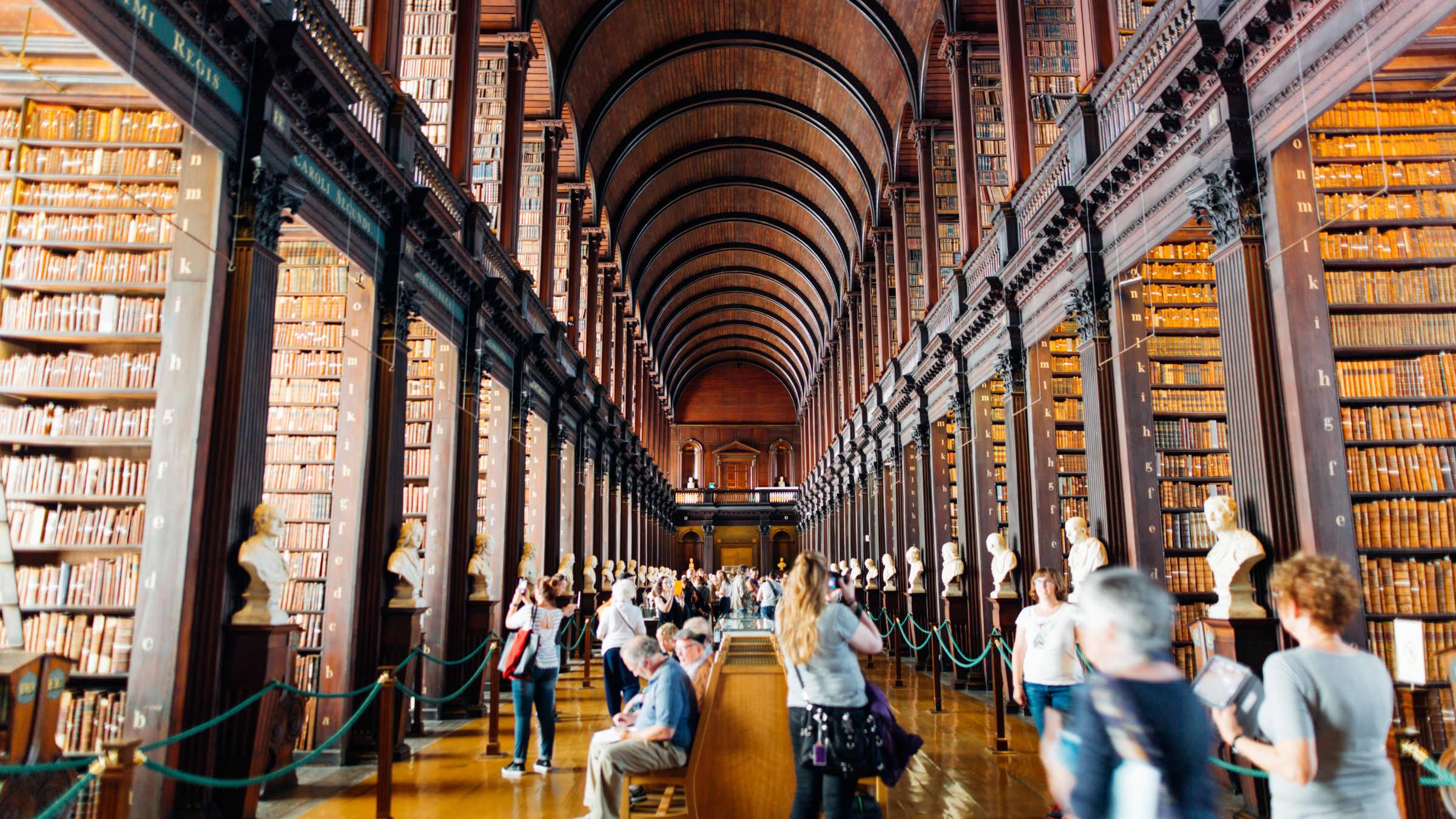
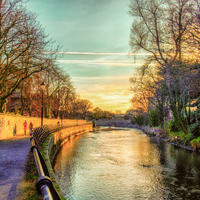
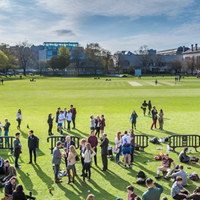
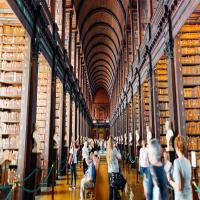
Urban Coastal Beaches RiverfrontDublin is the capital and largest city of Ireland, situated on the east coast at the mouth of the River Liffey. Known for its Georgian architecture, vibrant cultural scene, and literary heritage, Dublin blends historic charm with contemporary energy. The city features iconic landmarks including Trinity College, the Ha'penny Bridge, and the Guinness Storehouse, alongside world-class museums, galleries, and theaters. Dublin's compact city center is highly walkable, with bustling streets lined with independent shops, traditional pubs, and diverse restaurants. The city serves as Ireland's economic and cultural hub, attracting visitors and residents from around the world. Its neighborhoods each possess distinct character, from the bohemian Temple Bar district to the upscale southside suburbs. Dublin's proximity to the Irish Sea and surrounding countryside provides easy access to coastal and rural attractions, while the city itself maintains a distinctly urban atmosphere with excellent public transportation and modern amenities.
 SJB Global
Connect
SJB-Global is a top-rated financial advisory firm specializing in expat financial advice worldwide, offering retirement planning & tax-efficient solutions with a regressive fee model. Our clients benefit from their country’s most favorable tax environment by utilizing the efficient investment vehicles we offer. Our commitment to quality service is reflected in our stellar reviews, with over 300 testimonials boasting 95% five-star ratings.
Click connect to have our partner contact you via e-mail and/or phone.
SJB GlobalSJB-Global is a top-rated financial advisory firm specializing in expat financial advice worldwide, offering retirement planning & tax-efficient solutions with a regressive fee model. Our clients benefit from their country’s most favorable tax environment by utilizing the efficient investment vehicles we offer. Our commitment to quality service is reflected in our stellar reviews, with over 300 testimonials boasting 95% five-star ratings.
Connect
Click connect to have our partner contact you via e-mail and/or phone.
Visa & Residency
Obtaining a residency in Ireland involves navigating through a structured system that caters to various types of residents, ranging from students and professionals to retirees and family members. The process can be considered average in terms of difficulty, but it requires careful attention to detail and adherence to the specific requirements of the chosen visa category. One of the most popular visas for expats is the Critical Skills Employment Permit, which is designed for individuals with skills that are deemed critical to the Irish economy. This visa is attractive because it offers a path to long-term residency and eventual citizenship. To obtain this permit, an applicant must have a job offer with a minimum annual salary threshold, depending on the occupation. The employer must also demonstrate that the position could not be filled by an EU/EEA or Swiss national. Another common option is the General Employment Permit, which is available for a broader range of occupations but still requires a job offer and proof that the position cannot be filled from within the EU/EEA. Both employment permits require the employer to initiate the application process. For those not looking to work in Ireland, the Stamp 0 visa is an option. This visa is suitable for retirees or those with independent means who wish to live in Ireland without working or starting a business. Applicants must prove they have sufficient resources to support themselves and will not become a burden to the state. Digital nomads often use this visa as it allows them to reside in Ireland while working remotely for a company or clients outside the country. The application process for residency visas typically involves submitting detailed documentation, including proof of qualifications, financial resources, health insurance, and background checks. Applicants may also need to provide biometric information and attend an interview. The processing time for visas can vary, but applicants can generally expect a decision within a few months. It is important to note that immigration policies and procedures can change, so staying informed about the latest requirements is crucial for a successful application.

Cost of Living
The cost of living in Dublin is high, particularly for housing, which has seen significant price increases in recent years due to strong demand and limited supply. Rental prices for apartments and homes are notably elevated compared to other Irish cities. Dining, entertainment, and general consumer goods also reflect premium pricing typical of a major European capital.
Weather
Dublin experiences a temperate oceanic climate with mild winters and cool summers, characterized by frequent rainfall throughout the year and relatively modest temperature variations.
Healthcare in Dublin
Dublin has excellent healthcare facilities including St. James's Hospital, Mater Misericordiae University Hospital, and Beaumont Hospital, which are among Ireland's leading teaching hospitals. The city benefits from Ireland's public healthcare system (HSE) supplemented by private hospitals and clinics offering comprehensive services. Emergency departments are well-equipped and staffed with experienced medical professionals.
Schools in Dublin
Dublin has several international schools including Montessori schools, the International School of Dublin (ISD) which offers the International Baccalaureate (IB) curriculum, and other schools following British and American curricula. These schools cater to expatriate families and provide education in English with international standards.
Dublin offers bilingual education options, particularly schools teaching through Irish and English, reflecting Ireland's official languages. Some Montessori and Waldorf schools also provide bilingual instruction, though options are more limited compared to other major European capitals.
Local Schools
Restaurants in Dublin