Sardinia
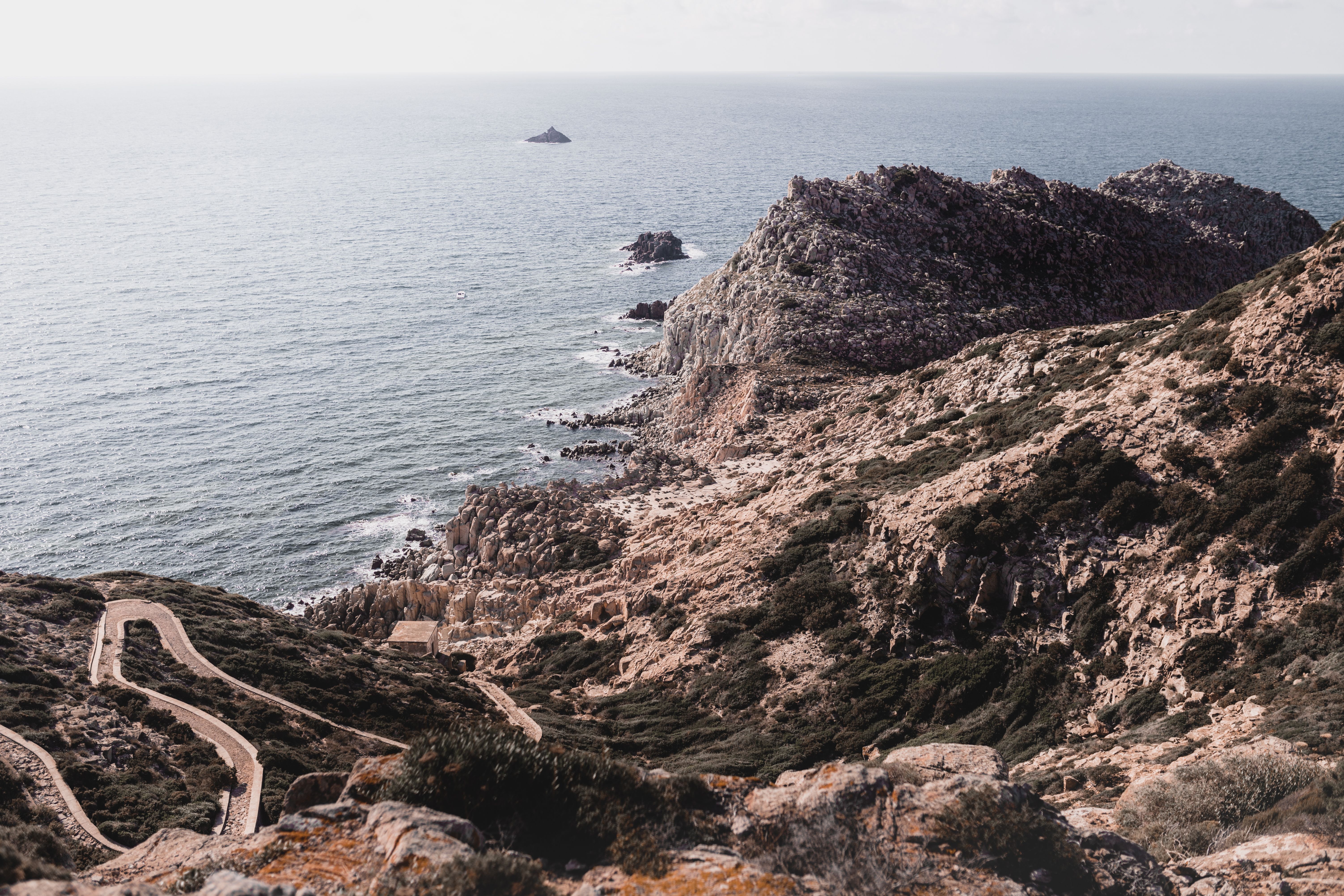
Country Coastal BeachesSardinia is a large island region of Italy in the Mediterranean Sea, known for its varied landscapes, strong regional identity, and mix of coastal and inland environments. The island has a long history shaped by many different cultures over time, and this is reflected in its towns, architecture, traditions, and local way of life. Along the coast, Sardinia is known for clear water, rocky shorelines, sandy coves, and resort areas, while the interior is more rugged and rural, with hills, mountains, forests, and open countryside. Many parts of the island feel quiet and spacious, with small communities, agricultural land, and natural scenery that remains a major part of daily life. Sardinia also has a distinctive cultural character, with local customs, cuisine, and language traditions that set it apart from mainland Italy. Its economy includes tourism, agriculture, and services, and the island attracts visitors for its beaches, outdoor recreation, and historic sites. The pace of life can vary widely depending on the area, from lively summer destinations to more remote inland villages. Overall, Sardinia combines natural beauty, coastal appeal, and a strong regional identity, making it one of Italy’s most distinctive places.
 BlueCross BlueShield Global Solutions
Get Quote
BlueCross BlueShield Global Solutions (BCBS) offers global health plans for international assignments or trips lasting 6 months or longer. With access to over 1.7M medical providers in 190 countries around the world, BCBS provides members with solutions and industry-leading digital services - ensuring top-quality coverage to people who live, work, study and travel internationally.
BlueCross BlueShield Global SolutionsBlueCross BlueShield Global Solutions (BCBS) offers global health plans for international assignments or trips lasting 6 months or longer. With access to over 1.7M medical providers in 190 countries around the world, BCBS provides members with solutions and industry-leading digital services - ensuring top-quality coverage to people who live, work, study and travel internationally.
Get Quote
Visa & Residency
Obtaining a residency in Italy involves several steps and the process can vary depending on the type of visa you are applying for. The most common types of visas for expats include the Elective Residence Visa and the Work Visa. The Elective Residence Visa is designed for individuals who can prove they have a high, steady income from sources outside of Italy and do not need to work in the country. Applicants must show they have sufficient funds to support themselves, a place to live, and comprehensive health insurance. This visa is valid for one year and can be renewed. The Work Visa is for those who have secured a job in Italy before entering the country. The employer must apply for a work permit on behalf of the employee, which is subject to quotas. Once the work permit is granted, the employee can apply for the visa. This process can be quite competitive and time-consuming due to the quota system. Other visas include the Student Visa and Family Reunification Visa. The process generally involves gathering the required documentation, such as a valid passport, proof of financial means, accommodation, and health insurance, and submitting an application to the Italian consulate or embassy in your home country. An appointment is usually required, and you may need to attend an interview. The difficulty of the process can vary; it is often described as average, but it can be challenging due to the bureaucracy and strict requirements. It is advisable to start the application process well in advance of your intended move date and to seek assistance from professionals if necessary. Once in Italy, you will need to apply for a residence permit (permesso di soggiorno) within eight days of arrival to stay legally. This additional step involves going to the local post office or police station (Questura) to submit the necessary paperwork. Overall, while the process can be bureaucratic and requires careful preparation, it is manageable with the right planning and support.
Cost of Living
The cost of living in Sardinia is generally high, especially in popular coastal and tourist areas where housing and seasonal demand can raise prices. Everyday expenses can be more moderate in inland areas, but overall costs remain above average in many parts of the island.
Weather
Sardinia has a Mediterranean climate with hot, dry summers and mild, wetter winters. Coastal areas are generally warmer and sunnier, while the interior can be cooler, especially at higher elevations.
Healthcare in Sardinia
Sardinia is served by major public hospitals in its largest cities, including Azienda Ospedaliero Universitaria di Cagliari, Ospedale Brotzu in Cagliari, and Azienda Ospedaliero Universitaria di Sassari. Other important facilities include Ospedale Santissima Annunziata in Sassari and Ospedale San Francesco in Nuoro, which provide a wide range of specialist and emergency care.
Restaurants in Sardinia