Alba
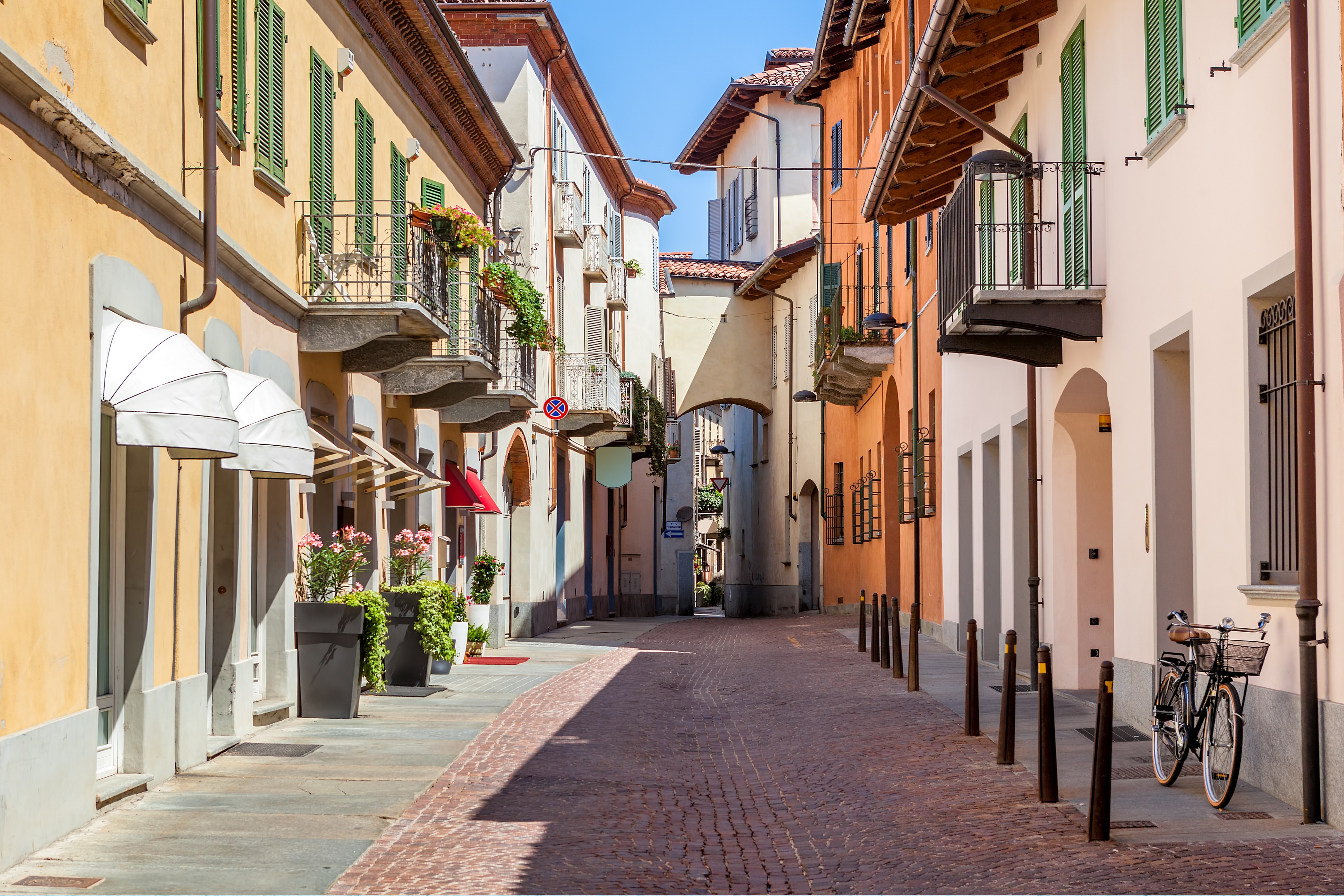
Country RiverfrontAlba is a historic town located in the Piedmont region of northwestern Italy, situated in the heart of the Langhe wine country. Known as the 'City of a Hundred Towers' due to its medieval architecture, Alba features a charming old town center with narrow cobblestone streets, Renaissance buildings, and ancient church spires that define its skyline. The town serves as a cultural and gastronomic hub, renowned for its exceptional food and wine traditions, particularly its world-famous white truffles and Barolo wines. Alba's central piazza and surrounding neighborhoods showcase well-preserved medieval and Renaissance structures alongside modern amenities. The surrounding landscape is characterized by rolling hills covered with vineyards and hazelnut groves, creating a picturesque countryside setting. Alba functions as an important commercial and cultural center for the region, attracting visitors interested in wine tourism, culinary experiences, and historical exploration. The town maintains a balance between preserving its rich heritage and accommodating contemporary life, with local markets, restaurants, and wine shops reflecting its deep connection to regional traditions.
 Italian For A While
Connect
Become ‘Italian for a While’ with IFA! Learn in Italy on a 1-week to 12-month program - open to students, young adults, graduates, digital nomads, professionals, groups, faculty-led programs, and more. Take courses at an accredited school while immersing yourself in the language, life, and culture among your international peers. Submit an inquiry with IFA to learn more.
Click connect to have our partner contact you via e-mail and/or phone.
Italian For A WhileBecome ‘Italian for a While’ with IFA! Learn in Italy on a 1-week to 12-month program - open to students, young adults, graduates, digital nomads, professionals, groups, faculty-led programs, and more. Take courses at an accredited school while immersing yourself in the language, life, and culture among your international peers. Submit an inquiry with IFA to learn more.
Connect
Click connect to have our partner contact you via e-mail and/or phone.
Visa & Residency
Obtaining a residency in Italy involves several steps and the process can vary depending on the type of visa you are applying for. The most common types of visas for expats include the Elective Residence Visa and the Work Visa. The Elective Residence Visa is designed for individuals who can prove they have a high, steady income from sources outside of Italy and do not need to work in the country. Applicants must show they have sufficient funds to support themselves, a place to live, and comprehensive health insurance. This visa is valid for one year and can be renewed. The Work Visa is for those who have secured a job in Italy before entering the country. The employer must apply for a work permit on behalf of the employee, which is subject to quotas. Once the work permit is granted, the employee can apply for the visa. This process can be quite competitive and time-consuming due to the quota system. Other visas include the Student Visa and Family Reunification Visa. The process generally involves gathering the required documentation, such as a valid passport, proof of financial means, accommodation, and health insurance, and submitting an application to the Italian consulate or embassy in your home country. An appointment is usually required, and you may need to attend an interview. The difficulty of the process can vary; it is often described as average, but it can be challenging due to the bureaucracy and strict requirements. It is advisable to start the application process well in advance of your intended move date and to seek assistance from professionals if necessary. Once in Italy, you will need to apply for a residence permit (permesso di soggiorno) within eight days of arrival to stay legally. This additional step involves going to the local post office or police station (Questura) to submit the necessary paperwork. Overall, while the process can be bureaucratic and requires careful preparation, it is manageable with the right planning and support.
Cost of Living
The cost of living in Alba is moderate, reflecting its status as a regional center in Piedmont rather than a major metropolitan area. While wine tourism and gastronomic reputation have increased prices in recent years, Alba remains more affordable than larger Italian cities, with reasonable accommodation and dining options available throughout the town.
Weather
Alba experiences a continental climate with cold, often snowy winters and warm, dry summers typical of the Piedmont region.
Healthcare in Alba
Alba has access to local healthcare services and clinics, with more comprehensive hospital care available in the wider province and nearby larger cities such as Cuneo and Asti. For specialized treatment, residents may need to travel to larger medical centers in the region.
Restaurants in Alba