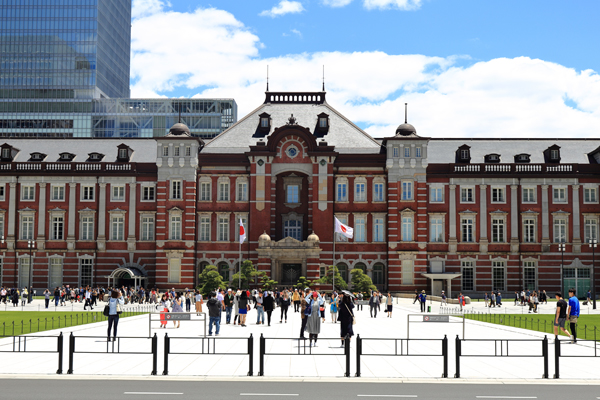
Japan
Coastal BeachesJapan is an island nation in East Asia comprising four main islands—Honshu, Hokkaido, Kyushu, and Shikoku—located in the Pacific Ring of Fire. Known for blending ancient traditions with cutting-edge technology, Japan offers a unique cultural experience featuring temples, tea ceremonies, and modern cities like Tokyo and Osaka. The economy is one of the world's largest, driven by manufacturing, technology, and services sectors. Japanese society emphasizes harmony, respect, and precision, reflected in everything from business etiquette to daily interactions. Life in Japan is generally orderly and safe, with excellent public transportation, healthcare, and education systems. The country attracts expatriates seeking career opportunities, cultural immersion, and a high quality of life, though adjustment to language and social customs can be challenging.
 BlueCross BlueShield Global Solutions
Get Quote
BlueCross BlueShield Global Solutions (BCBS) offers global health plans for international assignments or trips lasting 6 months or longer. With access to over 1.7M medical providers in 190 countries around the world, BCBS provides members with solutions and industry-leading digital services - ensuring top-quality coverage to people who live, work, study and travel internationally.
BlueCross BlueShield Global SolutionsBlueCross BlueShield Global Solutions (BCBS) offers global health plans for international assignments or trips lasting 6 months or longer. With access to over 1.7M medical providers in 190 countries around the world, BCBS provides members with solutions and industry-leading digital services - ensuring top-quality coverage to people who live, work, study and travel internationally.
Get Quote
Podcasts
Episode 1: Seventeen Years in Tokyo


Episode 6: Jake Barber - Expat Finance Expert and Lifelong Expat

Episode 8: Jake Barber - The Expat Finance Expert Returns
Living in Japan
Best Places to Live in Japan
Visa & Residency
Obtaining a residency in Japan involves several steps and the process can be quite meticulous, but it is manageable with the right documentation and preparation. The most common types of residency visas include the Highly Skilled Professional Visa, which is aimed at attracting skilled foreign professionals in certain fields; the Working Visa, for those with job offers in Japan in various categories such as Engineer, Specialist in Humanities, or International Services; and the Spouse or Child of Japanese National Visa, for those who have a family connection to a Japanese citizen. The process typically starts with securing a job offer or sponsorship from a Japanese company or individual, which is necessary for most types of work-related visas. The sponsor in Japan will often assist in the application process and provide necessary documentation, such as a Certificate of Eligibility (COE), which is required to apply for the visa at a Japanese embassy or consulate in the applicant's home country. Applicants must submit the COE, a valid passport, visa application form, photograph, and any additional required documents specific to the type of visa they are applying for. The requirements can vary greatly depending on the visa category, so it is crucial to check the specific criteria for the chosen visa type. Once the application is submitted, it can take several weeks to several months for the Japanese authorities to process the visa. If approved, the applicant will receive a visa that allows them to enter Japan. Upon arrival, they must register their residence at the local municipal office and apply for a Residence Card, which is necessary for daily life in Japan. The difficulty of the process can vary based on the applicant's circumstances and the type of visa. Some visas, like the Highly Skilled Professional Visa, have a points-based system and require proof of advanced education and specialized skills. Others, like the Spouse or Child of Japanese National Visa, may have more straightforward criteria but still require substantial documentation to prove the family relationship. Overall, while the process is systematic and can be time-consuming, it is generally considered average in difficulty compared to other countries, provided that the applicant meets the eligibility criteria and has all the necessary documentation in order.
Healthcare in Japan
Japan's system is a hybrid model that combines compulsory health insurance with a strong public healthcare provision. All residents, including expatriates, are required to enroll in either a national health insurance program or an employee-based health insurance scheme. The quality of healthcare in Japan is generally high, with a life expectancy among the longest in the world, which is often attributed to the healthcare system, as well as dietary habits. Public healthcare provides access to a wide range of services at relatively low costs, with patients paying only 30% of most medical fees. Private healthcare exists alongside the public system, offering more luxurious conditions and shorter waiting times, but at a higher cost. Expats and digital nomads can gain access to public healthcare once they are registered residents and have joined the national health insurance scheme. This usually requires them to be in Japan for a minimum of three months.
Cost of Living
Japan has a high cost of living, particularly in major cities like Tokyo and Osaka. Rent for a one-bedroom apartment in central Tokyo ranges from ¥100,000-¥200,000 monthly ($700-$1,400 USD), while outside central areas it may be ¥60,000-¥100,000. Property purchase prices in Tokyo average ¥5-10 million per square meter. Daily expenses including food, transportation, and utilities are moderate compared to housing, making overall affordability dependent on location and lifestyle choices.
Weather
Japan experiences four distinct seasons with significant regional variation due to its north-south length. Winters (December-February) are cold in the north, particularly Hokkaido, with heavy snowfall, while southern regions remain mild. Summers (June-August) are hot and humid throughout the country, with temperatures often exceeding 30°C (86°F). Spring and autumn are mild and pleasant, making them popular seasons for visitors and outdoor activities.
Educational System in Japan
The educational system in Japan is known for its high standards and rigorous curriculum. Education is highly valued, and the system is designed to instill discipline, cooperation, and a strong work ethic. The Japanese school year starts in April and is divided into three terms, with breaks in between. Compulsory education lasts for nine years, consisting of six years of elementary school (shogakko) starting at age six, followed by three years of junior high school (chugakko). After completing compulsory education, students can choose to attend high school (kotogakko), which lasts for another three years and is not mandatory. High schools in Japan can be either public or private, with private schools generally having more competitive entrance exams. The curriculum is broad, covering a wide range of subjects, and there is a strong emphasis on entrance exams (juken) for those wishing to enter university. Graduation from high school typically occurs at age 18. The Japanese education system is known for its uniformity and standardized testing, but it also faces challenges such as student stress and the pressure of entrance exams. Despite these challenges, Japan consistently ranks highly in global education indices, reflecting the overall quality of its educational system.
Universities in Japan
The university system in Japan is a blend of public and private institutions, offering a wide range of undergraduate and postgraduate programs. The academic year in Japanese universities starts in April, although some programs may offer a fall intake. Undergraduate degrees typically take four years to complete, with the exception of medicine, dentistry, and veterinary science, which require six years. Graduate programs usually last two years for a master's degree and three or more years for a doctoral degree. Japanese universities are known for their research facilities, especially in fields such as technology, engineering, and the natural sciences. Admission to universities is highly competitive, with entrance exams playing a crucial role. Many universities also require proficiency in the Japanese language, although an increasing number of programs are now offered in English to attract international students. The cost of education varies widely between public and private universities, with public institutions being substantially less expensive. Living expenses in Japan can be high, especially in cities like Tokyo and Kyoto. International students may have access to scholarships and part-time work opportunities to help offset the costs. The Japanese government and universities are actively encouraging international students to study in Japan, with initiatives to simplify visa processes and increase the number of courses available in English.
Living in Japan