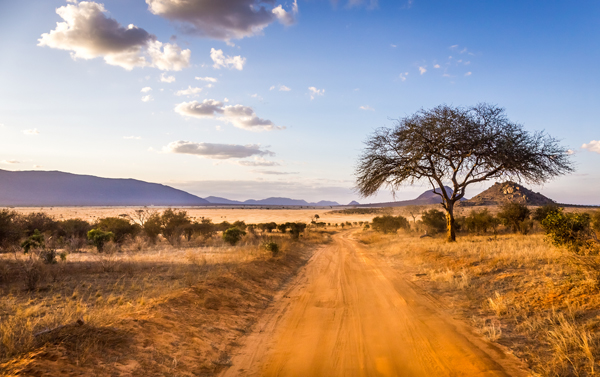
Kenya
Coastal BeachesKenya is a East African nation known for its diverse landscapes, wildlife, and vibrant culture. The country spans from the Indian Ocean coast in the east to the Great Rift Valley and highlands in the interior, with Mount Kenya as its iconic peak. Kenya has a dynamic economy driven by tourism, agriculture, and a growing tech sector, particularly in Nairobi, often called the 'Silicon Savanna'. The population is ethnically diverse with over 40 groups, each contributing unique traditions and languages alongside English and Swahili. Life in Kenya offers a blend of modern urban amenities in major cities and traditional African experiences, with a warm, welcoming culture. The country is known for its world-class safari experiences, coffee and tea production, and increasingly, its innovation and entrepreneurial spirit.
 PassportCard Expat Health Insurance
Get Quote
Never worry about paying your medical bills out of pocket again. The innovative PassportCard allows for a stress-free experience for all expat families, remote travelers, and workers. With a 24/7 customer service and an outstanding customer base of over 2 Million clients, it will feel like medical care at home. Get up to 10% off on your policy now.
PassportCard Expat Health InsuranceNever worry about paying your medical bills out of pocket again. The innovative PassportCard allows for a stress-free experience for all expat families, remote travelers, and workers. With a 24/7 customer service and an outstanding customer base of over 2 Million clients, it will feel like medical care at home. Get up to 10% off on your policy now.
Get Quote
Podcasts

Episode 6: Jake Barber - Expat Finance Expert and Lifelong Expat


Episode 8: Jake Barber - The Expat Finance Expert Returns
Living in Kenya
Visa & Residency
Obtaining a residency in Kenya is a process that involves several steps and the submission of various documents. The most common types of residency visas for expats include the Class K Permit and the Work/Residence Permit. The Class K Permit is for foreigners who are over the age of 35 and can prove an income from sources outside Kenya, while the Work/Residence Permit is for those who seek employment or wish to establish a business in Kenya. The process begins with the applicant ensuring they meet the eligibility criteria for the specific permit they are applying for. This typically involves having a valid passport, proof of income or a job offer, and a clean criminal record. The applicant must then complete the relevant application forms, which can be obtained from the Department of Services or its website. Supporting documents, such as a copy of the national passport, passport photos, a cover letter explaining the reason for the application, and any other required documents, must be submitted along with the application forms. For a Work/Residence Permit, additional documents such as a certificate of incorporation, company registration, and a recommendation letter from the relevant ministry or government body may be required. Once the application is submitted, it is reviewed by the immigration officials. The review process can take several weeks or months, and it may involve an interview or additional requests for information. If the application is approved, the applicant will be required to pay the prescribed government fees before the permit is issued. For digital nomads, the Special Pass is a popular option. It is designed for those who wish to enter Kenya for a short period to conduct business, research, or work. The Special Pass is valid for up to 90 days and can be extended once for a similar period. To obtain this pass, applicants must submit a duly filled application form, a copy of their passport, a cover letter from the company or organization they are associated with, and the requisite fee. Overall, while the process of obtaining a residency visa in Kenya is relatively straightforward, it can be time-consuming and requires careful attention to detail to ensure all requirements are met. Expats are advised to begin the application process well in advance of their intended move to Kenya.
Healthcare in Kenya
Kenya's system is a mix of public and private providers. The public healthcare system is accessible to all citizens and is managed by the Ministry of Health. It is often under-resourced, with challenges such as inadequate staffing, limited medical supplies, and long wait times. However, the government has been working to improve healthcare through initiatives like the Managed Equipment Services project to upgrade facilities. Private healthcare in Kenya offers higher quality services with more modern facilities and shorter wait times, but at a higher cost, making it less accessible to the general population. Expats and digital nomads can access public healthcare, but many opt for private healthcare insurance to ensure a higher standard of care and access to private hospitals. The National Hospital Insurance Fund (NHIF) is a government-run program that provides medical insurance to Kenyans, and expats can also contribute to the NHIF for healthcare coverage.
Cost of Living
Kenya's cost of living is relatively affordable compared to Western countries, though prices vary between urban and rural areas. In Nairobi, rent for a one-bedroom apartment in the city center ranges from $400-800 USD monthly, while outside the center it drops to $250-500. Property purchases in desirable areas can range from $150,000-500,000+ USD depending on location and size. Daily expenses like food, transport, and utilities are generally inexpensive, making Kenya accessible for many expatriates, though premium imported goods and international schools can be costly.
Weather
Kenya's climate varies significantly by region and altitude. The coastal areas are hot and humid year-round, while highland regions are cooler and more temperate. The country experiences two rainy seasons: the 'long rains' from March to May and 'short rains' from October to November. Dry seasons occur from June to September and December to February, with temperatures generally warm to hot across most of the country.
Educational System in Kenya
The educational system in Kenya is structured to provide a mix of public and private schooling options for families. Education is highly valued, and the government has made efforts to ensure that primary education is free and compulsory. The Kenyan education system is divided into three levels: primary, secondary, and tertiary. Children typically start primary school at the age of six and complete eight years of education, culminating in the Kenya Certificate of Primary Education (KCPE) examination. Secondary education lasts four years, and students sit for the Kenya Certificate of Secondary Education (KCSE) at the end of this period. The school year in Kenya runs from January to November, with short breaks in April, August, and December. The quality of education can vary significantly, with private schools generally offering higher quality facilities and learning environments compared to some under-resourced public schools. However, there are also many public schools that provide excellent education, often supported by government initiatives and non-governmental organizations. Parents moving to Kenya from another country will find a range of educational options, including that offer curricula such as the International Baccalaureate (IB) or the British A-levels, which may be more familiar to expatriate families.
Universities in Kenya
The university system in Kenya consists of public and private institutions that offer a range of undergraduate, graduate, and doctoral programs. The duration of a bachelor's degree program typically spans four years, while some courses like medicine, engineering, and architecture may take longer. The academic year is divided into semesters or trimesters, depending on the institution. Admission to universities is competitive and is largely based on the performance in the KCSE. Kenya has a centralized application process for public universities, managed by the Kenya Universities and Colleges Central Placement Service (KUCCPS). For international students, individual universities provide application procedures and requirements on their websites. The cost of university education varies widely depending on the institution and the program of study. Public universities are generally less expensive than private ones, and there are opportunities for scholarships and financial aid for both local and international students. Living expenses in Kenya can be moderate, but this largely depends on the city and lifestyle choices. Foreign students considering attending university in Kenya should research thoroughly and reach out to the institutions' international student offices for detailed information on fees, accommodation, and student support services.
Living in Kenya