Wellington
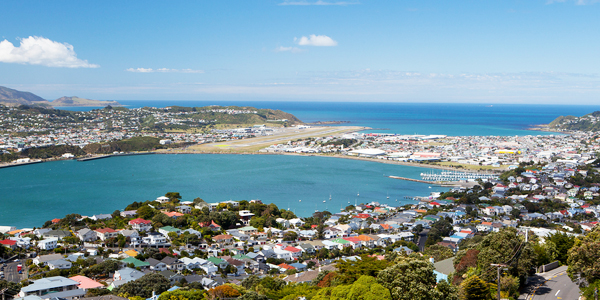
Urban Coastal Beaches RiverfrontWellington pulses with an intensity that catches you off guard for a city of its size. The wind here isn't metaphorical—it's a constant presence that shapes everything from how people walk to how buildings are designed. Steep hills rise abruptly from the harbor, forcing the city to climb rather than sprawl, which creates neighborhoods stacked like a vertical village where you're always aware of the water below. The cultural life is outsized: independent cinemas, experimental theaters, and galleries tucked into converted warehouses compete for attention alongside craft breweries and restaurants where chefs treat local ingredients with genuine obsession. Te Whanganui-a-Tara, as it's known in te reo Māori, sits at the southern tip of the North Island where two tectonic plates meet—a geological restlessness that mirrors the city's creative energy. The harbor itself is the city's living room: ferries cross it constantly, sailboats dot it year-round, and the waterfront has transformed from industrial decay into a genuine gathering place. Street art appears on unexpected corners. The compact downtown means you can walk from the parliament buildings to the waterfront in minutes, passing vintage shops, hole-in-the-wall Asian restaurants, and people who seem genuinely engaged with their surroundings rather than merely passing through.
 BlueCross BlueShield Global Solutions
Get Quote
BlueCross BlueShield Global Solutions (BCBS) offers global health plans for international assignments or trips lasting 6 months or longer. With access to over 1.7M medical providers in 190 countries around the world, BCBS provides members with solutions and industry-leading digital services - ensuring top-quality coverage to people who live, work, study and travel internationally.
BlueCross BlueShield Global SolutionsBlueCross BlueShield Global Solutions (BCBS) offers global health plans for international assignments or trips lasting 6 months or longer. With access to over 1.7M medical providers in 190 countries around the world, BCBS provides members with solutions and industry-leading digital services - ensuring top-quality coverage to people who live, work, study and travel internationally.
Get Quote
Visa & Residency
Obtaining a residency in New Zealand involves several steps and can vary in complexity depending on the type of visa. The Skilled Migrant Category Resident Visa is designed for individuals who have the skills to contribute to New Zealand's economic growth. To apply for this visa, candidates must first submit an Expression of Interest (EOI) detailing their qualifications, work experience, and ability to settle in New Zealand. If the EOI is successful and the candidate scores enough points, they may receive an invitation to apply for residency. Another pathway is the Work to Residence Visa, which allows individuals to work in New Zealand and after two years, apply for residency. This visa requires a job offer from an accredited employer or a role that is on a long-term skill shortage list. For digital nomads, the Working Holiday Visa is a popular option. This visa is available to young people, usually aged 18-30 (35 for some countries), and allows them to travel and work in New Zealand for up to 12 months, or 23 months for UK and Canadian citizens. The application process for this visa is relatively straightforward and can be done online. The process for obtaining a residency visa can be complex and often requires meeting strict criteria, including health and character checks, and providing evidence of professional qualifications and work experience. Some visas also require proof of English language proficiency. The processing time and difficulty can vary greatly depending on individual circumstances and the specific visa category. It is advisable for potential applicants to review the detailed requirements on the New Zealand website or consult with an immigration advisor to ensure they select the visa category that best suits their situation.
Cost of Living
Living in Wellington requires a serious budget. Rental prices and property values have climbed steeply as the city attracts tech workers, creatives, and people fleeing larger urban centers. Groceries, dining out, and utilities all carry premium tags. The compact geography and high demand for central locations mean you're paying for proximity and lifestyle rather than space.
Weather
Wellington's climate is temperate but notoriously windy, with mild winters and cool summers; rain arrives frequently throughout the year, and the wind can be fierce enough to earn the city its nickname 'Wellywood's Windy City.'
Healthcare in Wellington
Wellington Hospital is the region's major public facility and handles everything from routine care to complex surgery, with generally solid wait times by New Zealand standards. Private options like Southern Cross and Medina exist if you want faster access or prefer private insurance. GP availability is reasonable, though like most NZ cities, finding a new doctor accepting patients can take persistence.
Schools in Wellington
Wellington College and St. Andrew's College offer International Baccalaureate programmes. Rangi Ruru Girls' School and other secondary institutions provide IB pathways alongside the New Zealand curriculum.
Te Aro Nui and other kōhanga reo (Māori language immersion) centres operate throughout Wellington, with several primary schools offering bilingual streams in te reo Māori and English. Hutt Valley High School and other state schools provide te reo Māori language options integrated into standard curricula.
Restaurants in Wellington