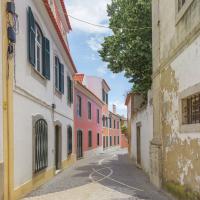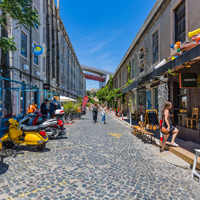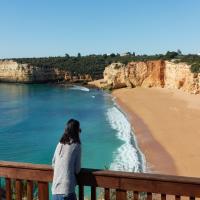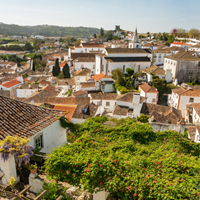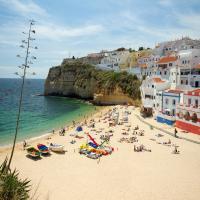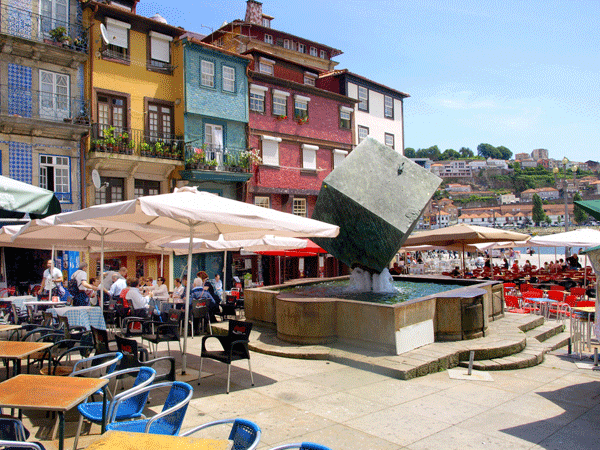

Tavira, Portugal

Digital Nomad Exchange > Portugal

Portugal

  Coastal   Beaches  

Portugal is a Southern European country located on the Iberian Peninsula, bordered by Spain and the Atlantic Ocean. Known for its rich maritime history, Portugal blends Mediterranean and Atlantic cultural influences with a warm, welcoming population. The economy is diverse, with tourism, wine production, cork manufacturing, renewable energy, and growing technology sectors driving growth. Lisbon and Porto are dynamic cities offering modern amenities alongside historic architecture, while the Algarve region attracts visitors with its stunning coastline and beaches. The country offers an excellent quality of life with affordable living costs compared to Western Europe, making it increasingly popular with digital nomads, remote workers, and retirees. Portuguese people are generally friendly and patient with foreigners, and the country maintains a relaxed pace of life that appeals to many expats seeking work-life balance.
BlueCross BlueShield Global SolutionsBlueCross BlueShield Global Solutions
Get Quote

BlueCross BlueShield Global Solutions (BCBS) offers global health plans for international assignments or trips lasting 6 months or longer. With access to over 1.7M medical providers in 190 countries around the world, BCBS provides members with solutions and industry-leading digital services - ensuring top-quality coverage to people who live, work, study and travel internationally.

BlueCross BlueShield Global SolutionsBlueCross BlueShield Global Solutions

BlueCross BlueShield Global Solutions (BCBS) offers global health plans for international assignments or trips lasting 6 months or longer. With access to over 1.7M medical providers in 190 countries around the world, BCBS provides members with solutions and industry-leading digital services - ensuring top-quality coverage to people who live, work, study and travel internationally.
Get Quote

Podcasts

Episode 3: On the Coast in Cascais, Portugal

Episode 3: On the Coast in Cascais, Portugal

Josh talks with Allison Baxley, an entrepreneurial Mom who lands in Cascais, Portugal with her husband and two children. Allison's popular blog, Renovating Life, tackles life in Cascais and beyond.
Episode 7: Diogo Capela, Internationally Recognized Immigration Lawyer in Portugal

Episode 7: Diogo Capela, Internationally Recognized Immigration Lawyer in Portugal

Diogo Capela, founding partner of Lamares, Capela & Associados in Lisbon, discusses why so many people are drawn to Portugal, what it feels like to actually live there, and, drawing on his legal expertise, the visa pathways and residency options available to expats. From Portuguese food and culture to relocation strategy and practical guidance, this episode offers a thoughtful look at life in Portugal.
Episode 6: Jake Barber - Expat Finance Expert and Lifelong Expat

Episode 6: Jake Barber - Expat Finance Expert and Lifelong Expat

Jake Barber is an expat finance expert and the founder and principal of SJB Global. A lifelong expat currently living in Marbella, Spain, Jake has vast experience helping expats from the United States, the United Kingdom, and other countries manage their finances while living abroad. Get a primer on what you need to know both before and after you move abroad!
Episode 8: Jake Barber - The Expat Finance Expert Returns

Episode 8: Jake Barber - The Expat Finance Expert Returns

Jake Barber, the Founder and CEO of SJB Global, is a life-long expat and an expert in expat finance. Over the course of Expat Exchange's nearly 30 years online, there are few people we have met with as much lived experience and professional acumen as Jake. We were thrilled to welcome him back to the show and look forward to having him on again!

Living in Portugal

Best Places to Live in Portugal

Discover the top-ranked towns in Portugal. Click on the town's name for a full profile of each town.
Rankings are based on a combination of many factors including schools, recreation, family-friendliness, cost of living and crime.

Visa & Residency

Portugal has a range of options that make it an attractive destination for expats looking to live and work in the country. The D7 Visa, often called the Passive Income Visa, is ideal for retirees and individuals with stable, passive income from sources such as pensions, rental properties, or investments. The D8 Digital Nomad Visa, introduced in 2022, caters specifically to remote workers who earn income from clients or employers outside Portugal. This visa offers both a Temporary Stay Visa (valid for up to one year) and a residency Visa (which can be renewed and lead to permanent residency).

For entrepreneurs and investors, the Golden Visa provides a pathway to residency through real estate investment or other qualifying investments in the Portuguese economy. Additionally, professionals seeking employment in Portugal can apply for the D1 Work Visa, while highly skilled workers may be eligible for the EU Blue Card. With its welcoming policies, Portugal continues to attract a diverse range of expats looking for new opportunities.

Healthcare in Portugal

The healthcare system in Portugal is characterized by a mix of public and private services. The National Health Service (Serviço Nacional de Saúde, SNS) provides universal coverage to residents, offering a range of services from primary to specialized care. While public healthcare is generally of good quality, especially in urban areas, there can be long waiting times for certain treatments and procedures. Private healthcare is also available and is often used to complement the public system, providing faster access to services and more choice in healthcare providers. The cost of public healthcare is low, with many services being free or requiring a small co-payment, while private healthcare costs can be significantly higher. Expats and digital nomads who are legal residents in Portugal and contribute to the social security system can access public healthcare. They can also purchase private health insurance to access private healthcare services.

Cost of Living

Portugal offers affordable living costs compared to Western Europe, with significant regional variation. Lisbon and Porto have higher costs, with rental apartments averaging €800-1,200 monthly for one-bedroom city-center units and property purchases around €6,000-8,000 per square meter. Outside major cities, costs drop substantially—rural areas and smaller towns offer rentals from €400-600 and property prices from €2,000-4,000 per square meter. Daily expenses including groceries, dining, and utilities remain reasonable, making Portugal attractive for budget-conscious expats.

Weather

Portugal enjoys a Mediterranean climate with mild winters and warm, dry summers. The country experiences over 300 days of sunshine annually, particularly in the southern Algarve region. Winter temperatures rarely drop below freezing, while summer temperatures typically range from 25-30°C (77-86°F). Rainfall is concentrated in autumn and winter months, with summers remaining predominantly dry.

Educational System in Portugal

The educational system in Portugal is comprehensive and mandatory from the age of 6 to 18. It consists of four main stages: pre-primary (ages 3-5), basic education (1st to 9th grade), secondary education (10th to 12th grade), and higher education. Pre-primary education is optional but widely attended. Basic education is divided into three cycles: the first cycle (1st to 4th grade), the second cycle (5th and 6th grade), and the third cycle (7th to 9th grade). Each cycle builds on the knowledge and skills acquired in the previous one. Secondary education offers general, technical, and vocational pathways, preparing students for higher education or the job market. The school year typically starts in September and ends in June. Portuguese schools focus on a broad curriculum that includes Portuguese language, mathematics, natural sciences, history, geography, foreign languages, arts, and physical education. The quality of education in Portugal has been improving, with increasing investment in school facilities and teacher training. After completing the 12th grade, students take national exams that are crucial for university admission.

Universities in Portugal

The university system in Portugal is part of the European Higher Education Area and follows the Bologna Process, which standardizes degree structures across Europe. It comprises both public and private institutions, offering undergraduate (Licenciatura), master's (Mestrado), and doctoral (Doutoramento) degrees. Undergraduate degrees typically take three years to complete, while master's programs take one to two years, and doctoral programs can take three to four years. The academic year is divided into two semesters, with exams at the end of each. Portuguese universities are known for their history, cultural significance, and academic rigor. They offer a wide range of courses in Portuguese and increasingly in English to attract international students. Admission is based on secondary school grades and national exam scores. The cost of attending university in Portugal is relatively low compared to other European countries, especially for EU citizens, who benefit from the same fees as Portuguese students. Non-EU students may face higher fees but can apply for various scholarships and financial aid programs. Living costs in Portugal are also moderate, making it an attractive destination for international students.

Copyright 1997-2026 Burlingame Interactive, Inc.

Privacy Policy Legal