Slovenia
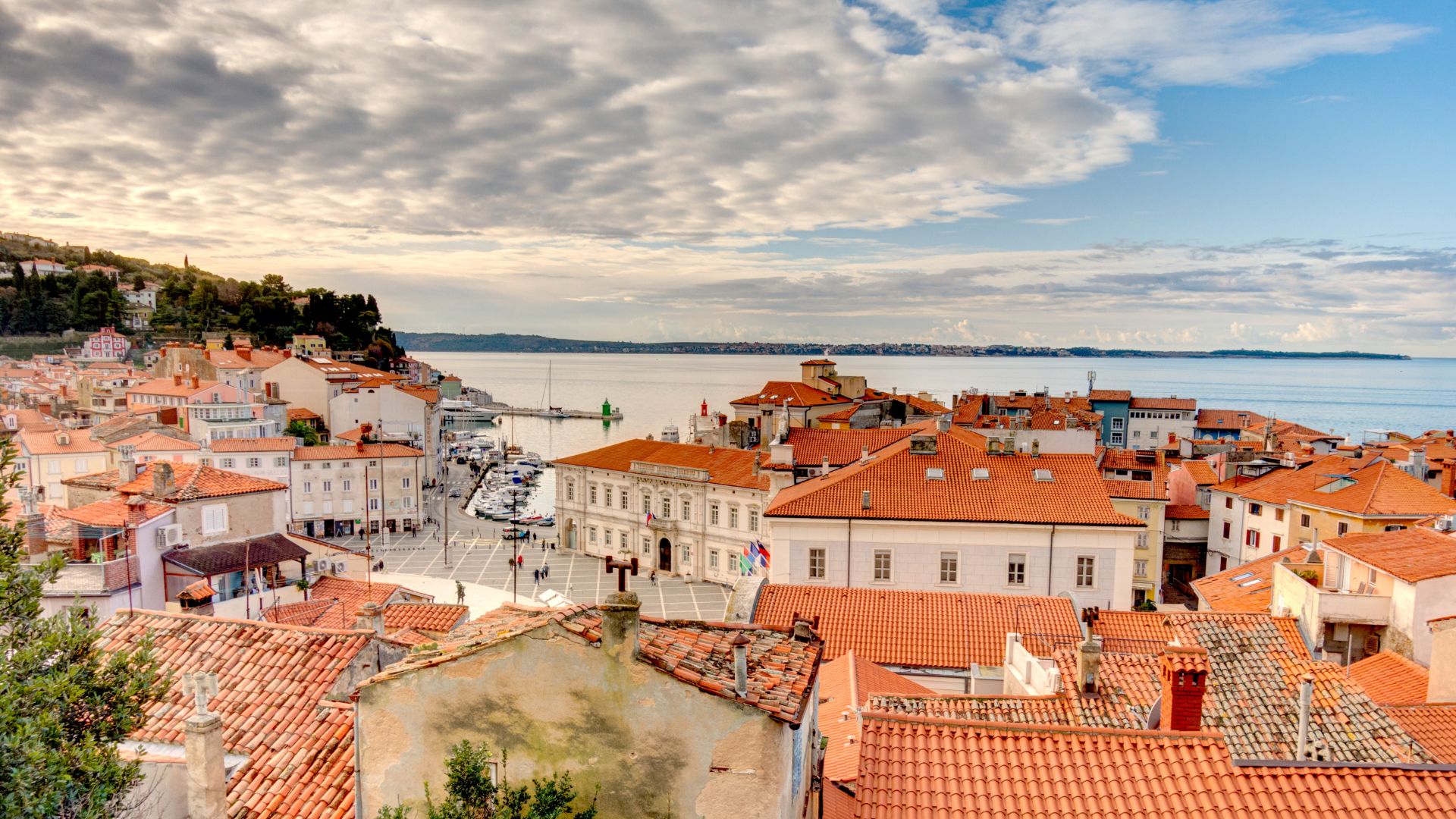
Coastal BeachesSlovenia is a small Central European country located at the crossroads of the Alps, Mediterranean, and Pannonian Plain, bordered by Italy, Austria, Hungary, and Croatia. Known for its stunning natural beauty, including extensive forests covering over 60% of the country, pristine lakes, and the Julian Alps, Slovenia offers a high quality of life with a strong emphasis on environmental sustainability. The country has a well-developed economy with a focus on manufacturing, tourism, and services, and is a member of both the EU and Eurozone. Slovenian culture blends Central European, Mediterranean, and Balkan influences, reflected in its cuisine, architecture, and traditions. The capital, Ljubljana, is a vibrant, walkable city known for its green spaces and creative scene. Life in Slovenia is generally relaxed and outdoor-oriented, with strong community values and excellent work-life balance.
 BlueCross BlueShield Global Solutions
Get Quote
BlueCross BlueShield Global Solutions (BCBS) offers global health plans for international assignments or trips lasting 6 months or longer. With access to over 1.7M medical providers in 190 countries around the world, BCBS provides members with solutions and industry-leading digital services - ensuring top-quality coverage to people who live, work, study and travel internationally.
BlueCross BlueShield Global SolutionsBlueCross BlueShield Global Solutions (BCBS) offers global health plans for international assignments or trips lasting 6 months or longer. With access to over 1.7M medical providers in 190 countries around the world, BCBS provides members with solutions and industry-leading digital services - ensuring top-quality coverage to people who live, work, study and travel internationally.
Get Quote
Podcasts

Episode 6: Jake Barber - Expat Finance Expert and Lifelong Expat


Episode 8: Jake Barber - The Expat Finance Expert Returns
Living in Slovenia
Visa & Residency
Obtaining a residency in Slovenia involves several steps and the process can be considered average in terms of difficulty compared to other European countries. Expats looking to reside in Slovenia typically apply for one of the following types of visas: Slovenia Residence Permit for Employment or Work, Slovenia Residence Permit for Study, or Slovenia Family Reunion Residence Permit. For employment, non-EU nationals usually need to secure a job offer from a Slovenian employer who has obtained a work permit on their behalf. The employer must prove that there is a need for a foreign worker and that the position cannot be filled by a Slovenian or EU citizen. Once the work permit is granted, the individual can apply for a residence permit. Students accepted into a Slovenian educational institution can apply for a study permit. They must provide proof of enrollment, sufficient financial means to support themselves, and health insurance. Family reunification permits are available to immediate family members of Slovenian residents. The resident in Slovenia must prove their ability to support their family members, and the family members must pass a background check. In 2021, Slovenia introduced the Digital Nomad Visa, catering to remote workers who can prove they are employed or conduct business outside of Slovenia. This visa allows digital nomads to live in Slovenia for up to one year. Applicants must show evidence of sufficient monthly income, health insurance, and a clean criminal record. The application process for all types of residency visas requires submitting a completed application form, a valid passport, proof of health insurance, a background check, and other documents depending on the specific visa type. The process can take several months, so it is advisable to apply well in advance of the intended move date. Once approved, the residence permit is typically issued for one year and can be renewed. It is important to note that the Slovenian government has quotas for work permits, which can affect the availability and timing of the application process.
Healthcare in Slovenia
Slovenia's system is a mix of public and private services, with the public healthcare system being accessible to all Slovenian citizens and residents through mandatory health insurance. The health insurance Institute of Slovenia (ZZZS) is the public body responsible for the healthcare system, and it provides comprehensive coverage, including general and specialist care, hospitalization, prescriptions, and maternity care. Private healthcare exists alongside the public system, offering services for those willing to pay out-of-pocket or through additional private insurance. The quality of healthcare in Slovenia is generally considered good, with well-trained medical staff and modern facilities, especially in major cities like Ljubljana. However, there can be waiting times for certain procedures in the public system. Expats and digital nomads who are employed in Slovenia contribute to the health insurance system and thus gain access to public healthcare. Those who are not employed may need to purchase private insurance or pay directly for private healthcare services.
Cost of Living
Slovenia offers moderate cost of living compared to Western Europe, though prices have risen in recent years. Rental prices in Ljubljana range from €400-700 per month for a one-bedroom apartment in the city center, while outside the capital they are significantly lower. Property purchase prices average €3,500-5,500 per square meter in Ljubljana, considerably less than major Western European cities. Daily expenses including groceries, dining, and utilities are reasonable, making Slovenia an affordable option for relocators from Western Europe.
Weather
Slovenia experiences a temperate continental climate with four distinct seasons. Winters are cold and snowy, particularly in the Alpine regions, with temperatures often dropping below freezing from December to February. Summers are warm and pleasant, with temperatures typically ranging from 20-28°C (68-82°F) from June to August. Spring and autumn are mild with moderate rainfall, and the country receives precipitation throughout the year, with higher amounts in the Alpine areas.
Educational System in Slovenia
Slovenia's educational system is comprehensive and accessible, providing a range of opportunities for children and young adults. Education is compulsory from ages 6 to 15, starting with a nine-year primary education that is divided into three three-year cycles. After primary school, students typically attend secondary education which can be either general or vocational, lasting between two to five years depending on the program. General secondary education, known as gimnazija, prepares students for higher education and lasts four years. Vocational programs provide practical training and can lead to immediate employment or further education. The Matura exam, taken at the end of gimnazija, is a prerequisite for university admission. Slovenian schools are known for their high quality of education, with a curriculum that includes a broad range of subjects, including foreign languages, which are introduced early on. The education system in Slovenia is designed to be inclusive and caters to the needs of all students, including those with special needs.
Universities in Slovenia
The university system in Slovenia is part of the European Higher Education Area and follows the Bologna Process, which standardizes higher education across Europe. Undergraduate degrees typically take three years to complete, while master's programs take one to two years, and doctoral programs take an additional three years. The country has both public and private universities, with the University of Ljubljana and the University of Maribor being the two largest. Public universities in Slovenia offer a wide range of programs and are well-regarded for their quality of education. Foreign students are welcome, and many programs are available in English, particularly at the postgraduate level. The academic year is divided into two semesters, with exams held at the end of each. Student life in Slovenia is vibrant, with various student organizations and activities. Support services for international students are available, including assistance with accommodation and integration into the local community.
Living in Slovenia