Lausanne
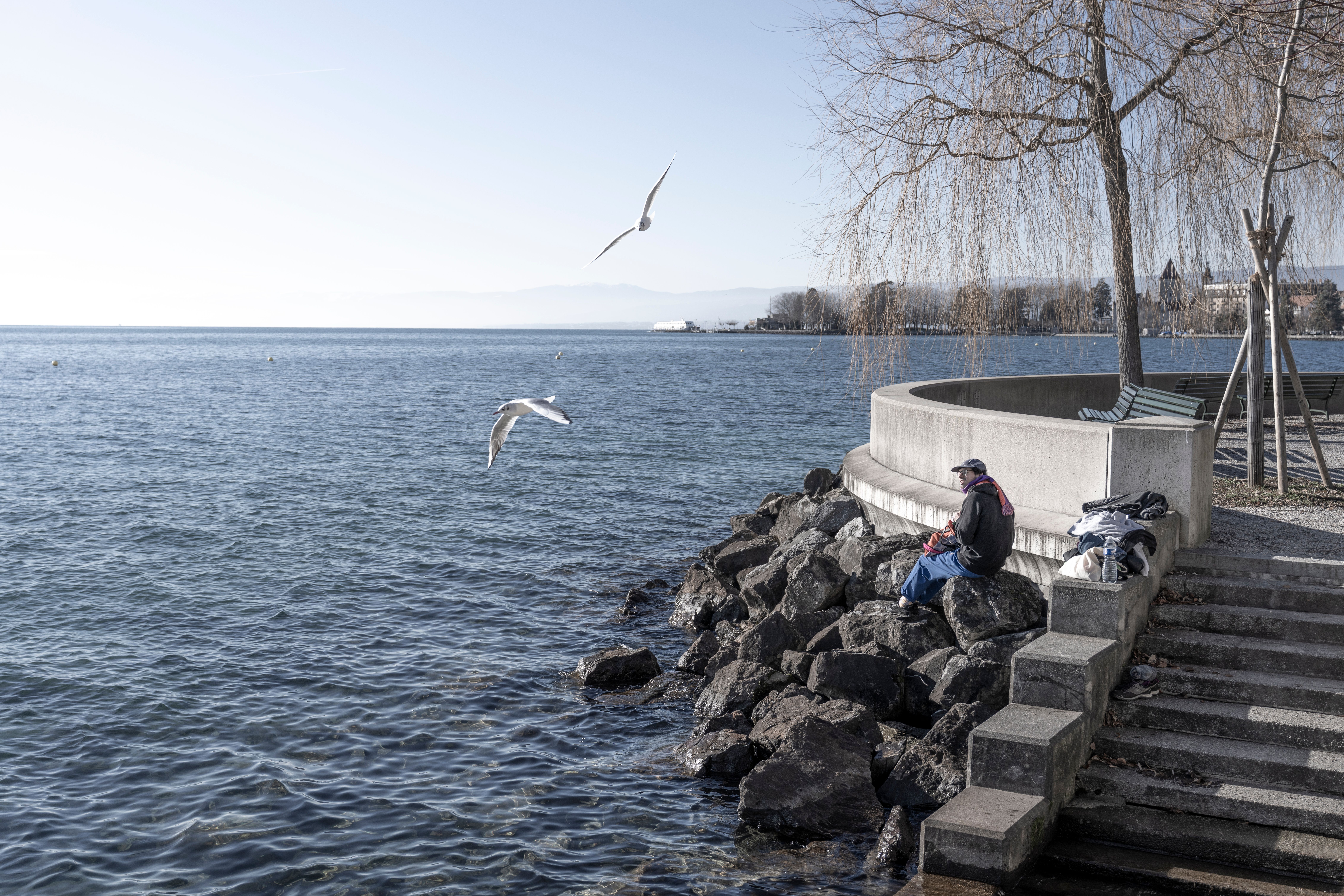
Urban Coastal BeachesLausanne sits on the northern shore of Lake Geneva at 372 meters above sea level, making it Switzerland's fifth-largest city and the capital of the Vaud canton. The city cascades down steep hillsides in a series of terraced neighborhoods, each with distinct character—from the medieval Old Town with its Gothic cathedral to the lakefront promenades and modern business districts. Home to the International Olympic Committee headquarters since 1915, Lausanne carries outsized cultural weight for its size, hosting world-class museums, theaters, and universities including the prestigious University of Lausanne. The waterfront offers year-round access to Lake Geneva's recreational opportunities, while the surrounding Lavaux wine region—a UNESCO World Heritage site—produces some of Switzerland's finest wines on terraced vineyards that plunge toward the water. Public transportation is efficient and extensive, connecting Lausanne to Geneva, Bern, and smaller Alpine towns within an hour. The city balances serious institutional presence with genuine livability: locals navigate narrow medieval streets, frequent lakeside cafés, and take advantage of hiking and skiing in the nearby Alps.
 AGS Worldwide Movers
Get Quote
Relocating abroad soon? Make your move with AGS! AGS Worldwide Movers is a leader in the international moving industry. Our experience and expertise allows us to guarantee our clients the best quality moving services.
AGS Worldwide MoversRelocating abroad soon? Make your move with AGS! AGS Worldwide Movers is a leader in the international moving industry. Our experience and expertise allows us to guarantee our clients the best quality moving services.
Get Quote
Visa & Residency
Obtaining a residency in Switzerland involves a structured process that can vary depending on the applicant's nationality, reasons for immigration, and the canton in which they intend to reside. The most common types of residency permits are the L Permit (short-term residence permit) and the B Permit (initial or temporary residence permit). The L Permit is suitable for expatriates planning to stay in Switzerland for up to one year. It is often granted to those with a fixed-term employment contract. The B Permit is for those intending to stay longer than a year and is usually tied to an indefinite employment contract or family reunification. Both permits require a valid employment contract or proof of financial means to support oneself. The process typically starts with securing a job or demonstrating the financial means to live in Switzerland. The employer or the individual must then apply to the cantonal migration office for the appropriate permit. This involves submitting various documents, including a valid passport, proof of address, employment contract, and sometimes a health insurance policy and a clean criminal record. For non-EU/EFTA nationals, the process can be more challenging due to stricter regulations and quotas. They must often secure a job with a Swiss employer who can prove that the position could not be filled by a local or EU/EFTA citizen. Once the application is submitted, the cantonal authorities review it, which can take several weeks or months. If approved, the applicant will receive a residence permit, allowing them to live and work in Switzerland. The permit also dictates the holder's rights regarding travel, change of employment, and family reunification. The difficulty of the process can vary. EU/EFTA citizens generally find it easier due to bilateral agreements that facilitate the movement of people, while non-EU/EFTA citizens may face a more complex process. It is essential to understand the specific requirements of the canton where one plans to reside, as regulations can differ across the country.
Cost of Living
Lausanne ranks among Switzerland's pricier cities, with rental and property costs reflecting its status as a major administrative and cultural hub. Dining, groceries, and services align with Swiss standards—substantially higher than most European cities. However, salaries and employment opportunities in sectors like international organizations, tech, and education tend to offset expenses for residents working locally.
Weather
Lausanne experiences a temperate continental climate with mild summers averaging around 20°C and cool winters near 3°C, with moderate rainfall distributed throughout the year and occasional snow in winter months.
Healthcare in Lausanne
Centre Hospitalier Universitaire Vaudois (CHUV) is the region's primary teaching hospital, offering comprehensive acute care and specialized services. Lausanne also has private clinics including Clinique de Genolier and smaller urgent care centers. Healthcare quality meets Swiss standards, though wait times for non-emergency procedures can extend several weeks.
Schools in Lausanne
Lausanne International School (LIS) offers IB curriculum from primary through secondary and draws expat families across the region. Collège du Léman, located in nearby Versoix, provides IB and bilingual instruction and is accessible via regional transit.
Several schools operate French-English or French-German bilingual tracks, including options within the public system and private institutions like Institut Florimont. Bilingual kindergartens and primary programs are available but less abundant than in larger Swiss cities.
Restaurants in Lausanne